Tracing the Development of Community Features in Emerging Bingo Applications Worldwide
Written by Katja Coleman · Jul 15, 2026
Tracing the Development of Community Features in Emerging Bingo Applications Worldwide
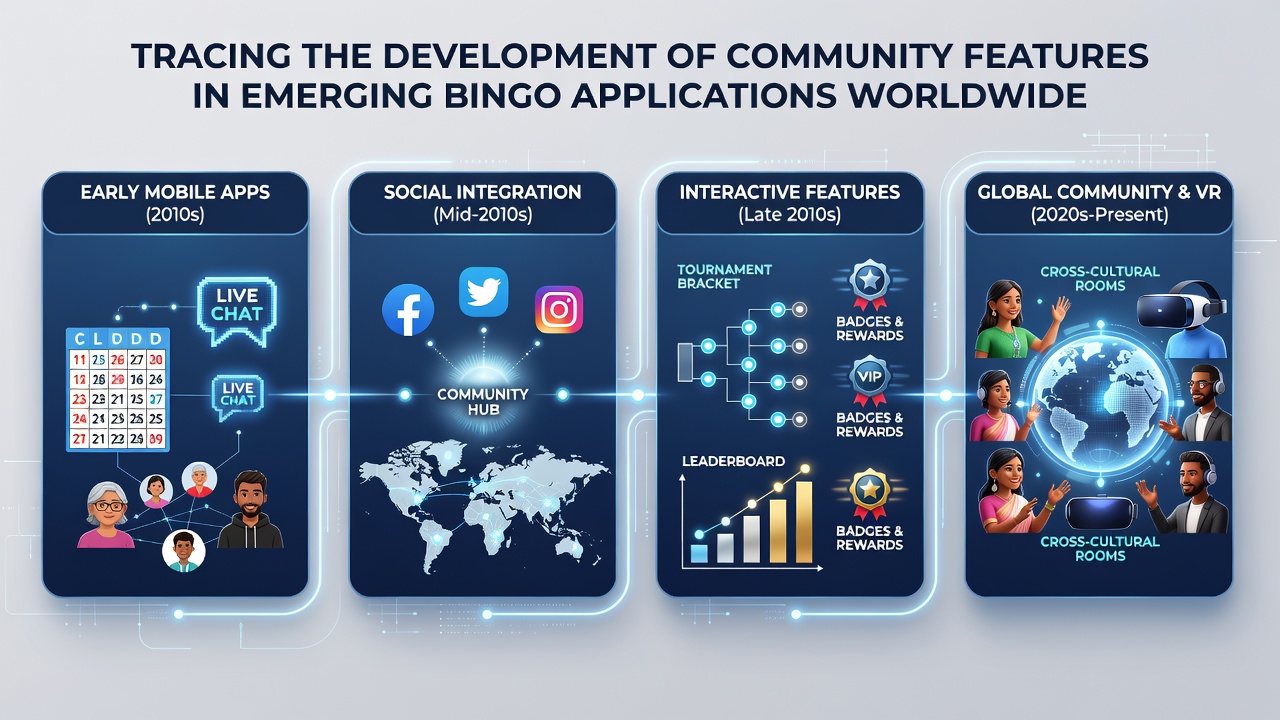
Community features in bingo applications have evolved from basic text interfaces in the early 2000s into sophisticated systems that connect players across continents through real-time interactions and shared activities. Developers began incorporating chat functions in web-based platforms around 2005, and these elements expanded significantly once mobile devices gained widespread adoption after 2010. Data from industry analyses shows that social components now drive retention rates in many emerging markets, where users seek both entertainment and connection during number-matching sessions.
Early Foundations in Digital Bingo Platforms
Initial online bingo sites offered limited interaction options, yet they laid groundwork for later community tools by allowing players to exchange messages in shared rooms. Researchers at academic institutions tracked these changes through user studies conducted between 2008 and 2012, noting that simple forums and basic messaging increased session times by measurable margins. As smartphone penetration grew, applications started integrating location-based matchmaking, which let participants join regional groups without leaving their devices.
By the mid-2010s, several platforms introduced profile customization and friend lists, features that mirrored social network designs popular at the time. These additions encouraged repeat visits because players could recognize familiar names during scheduled draws. Observers note that markets in North America and parts of Asia adopted these tools faster than others, partly due to higher mobile data availability in urban centers.
Expansion Through Mobile Technology and Social Integration
Mobile bingo applications accelerated community development once app stores standardized push notifications and live streaming capabilities around 2017. Players gained access to voice chat options and collaborative challenges that required coordinated participation from multiple users. Reports compiled by regional gaming associations indicate that live event tie-ins, such as synchronized tournaments, became standard in applications targeting younger demographics in Europe and Australia.
Integration with external social platforms allowed users to share achievements directly, which expanded reach without additional marketing spend. One study conducted by a Canadian research group found that referral systems linked to these integrations boosted new user acquisition by over 30 percent in tested regions during 2019 through 2021. Developers responded by adding moderated discussion boards and achievement badges that highlighted group milestones rather than individual wins.

Regional Variations and Global Trends Through 2026
Differences appear when comparing implementations across continents, with applications in Latin America emphasizing group-based reward pools while those in Southeast Asia focus on real-time language translation for cross-border chats. Figures released by the Australian Interactive Gaming Council reveal that community-driven features accounted for increased daily active users in that region during 2023 and 2024, particularly among apps supporting multi-language interfaces. Meanwhile, North American platforms prioritized privacy controls after regulatory updates took effect in several states.
Events scheduled for July 2026 include developer conferences where new tools for virtual reality lobbies and AI-moderated discussion spaces will be demonstrated. These advancements build on existing patterns where community metrics influence app rankings in major stores. Data compiled through global surveys shows consistent growth in features that blend gameplay with social elements, such as shared playlists during draws or collaborative bingo card designs.
Industry organizations in multiple jurisdictions have documented how these tools affect player behavior, with evidence pointing to longer engagement periods when community functions remain active. Applications emerging in Africa and the Middle East have incorporated offline modes that sync community progress once connections resume, addressing infrastructure variations across those areas.
Future Directions Based on Current Data Patterns
Current trajectories suggest continued refinement of community algorithms that match players by skill level or preferred game pace. A report issued by the International Center for Gaming Research outlines how predictive analytics now help platforms suggest groups based on past interaction history rather than random assignment. This approach appears in several newer applications released during 2025.
Regulatory bodies in various countries continue monitoring these developments to ensure compliance with data protection standards that affect chat logs and profile information. Applications that adapt quickly maintain stronger positions in competitive markets where community strength determines long-term viability.
Conclusion
Community features in bingo applications have progressed through distinct phases driven by technological availability and user expectations across different regions. From early messaging systems to integrated social tools and upcoming virtual enhancements, these elements form core components of modern platforms. Patterns observed through 2026 indicate sustained investment in features that foster interaction while respecting geographic and regulatory differences worldwide.