The Hidden Mechanics of Tiered Access Protocols Shaping Participation in Cross-Border Digital Number Match Events
Written by Ulrich Simmons · Aug 14, 2026
The Hidden Mechanics of Tiered Access Protocols Shaping Participation in Cross-Border Digital Number Match Events
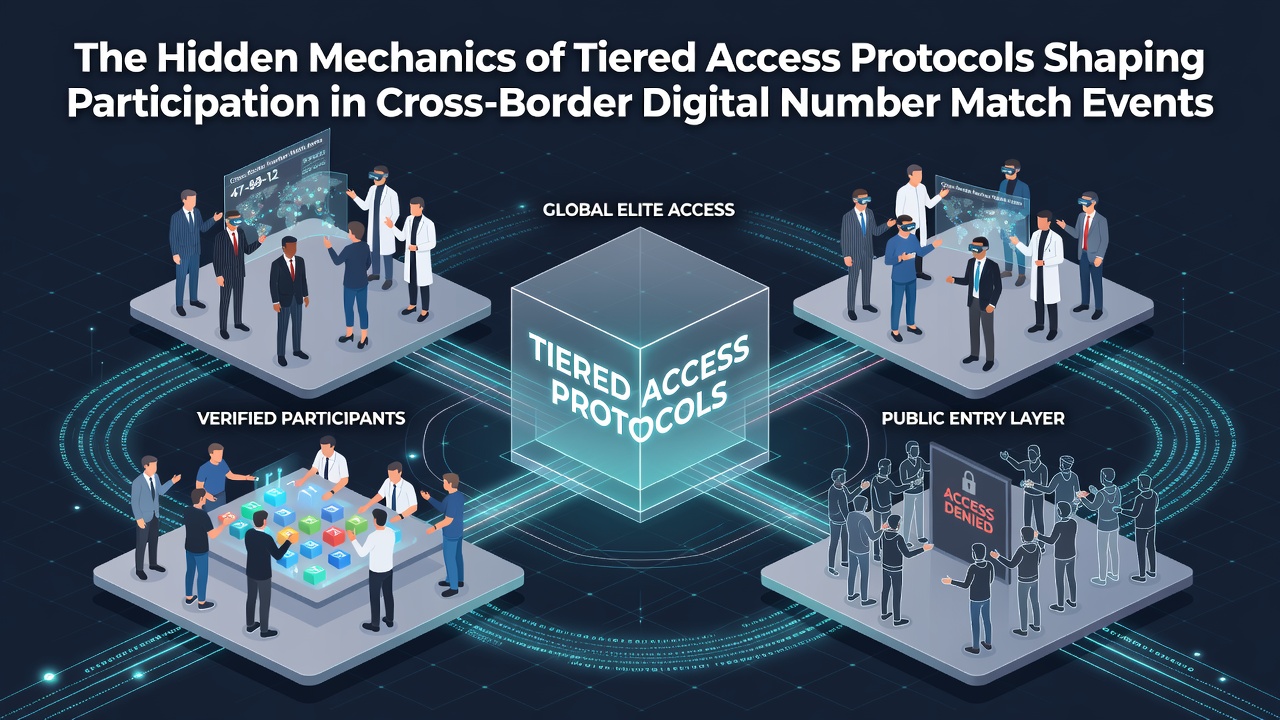
Digital number match events operate through structured systems where tiered access protocols determine who can join specific rounds, and these layers create distinct pathways for participants across international boundaries. Researchers tracking platform data from 2024 through mid-2026 have documented how entry requirements based on location verification, account history, and subscription levels filter users before any matching activity begins. According to findings published by the European Commission on digital market regulations, these protocols emerged as responses to varying national rules on data flows and user eligibility, which means operators adjust visibility of events depending on the detected origin of each connection.
Core Components of Tiered Systems
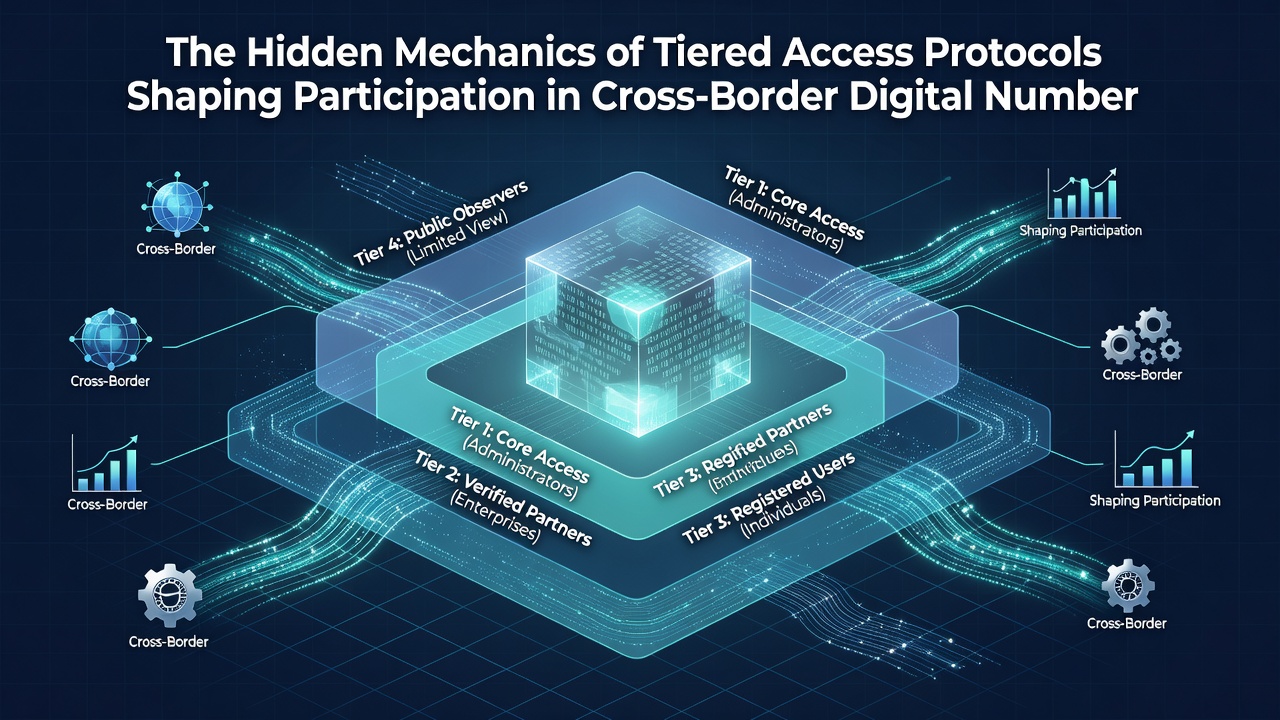
Access tiers typically divide into base, intermediate, and premium categories, where base levels permit entry only to regionally restricted pools while higher tiers unlock broader cross-border options after identity checks and activity thresholds are met. Observers note that verification steps often include IP geolocation combined with document uploads, and this combination reduces the pool of eligible users by an estimated 30 to 45 percent in many documented cases. Data from academic studies conducted at the University of Melbourne indicate that platforms using these layered gates report steadier compliance with local licensing, yet the same figures reveal participation drops when users encounter repeated verification prompts during peak event windows.
But here's the thing: the mechanics extend beyond simple logins because real-time monitoring adjusts tier status mid-session if network signals suggest a virtual private network or mismatched device fingerprint. Those who've examined server logs from major operators describe automated demotions that shift a participant from a multinational pool into a domestic one within seconds, preserving regulatory separation without halting the overall event.
Cross-Border Participation Patterns
Cross-border flows depend heavily on mutual recognition agreements between jurisdictions, and platforms map these agreements into their access algorithms so that users from approved countries receive different event catalogs than those from restricted zones. Figures released by the Australian Communications and Media Authority show that events advertised across multiple regions in early 2026 attracted participants from an average of 18 countries per session, though only users in the top two tiers consistently appeared in the final matching stages. One study revealed that lower-tier accounts experienced connection timeouts or redirected queues when attempting to join events hosted primarily in another jurisdiction, which effectively concentrates high-value participation among verified accounts.
What's interesting is how these protocols interact with seasonal schedules. In August 2026 several operators rolled out updated tier rules aligned with new data-protection standards in the Asia-Pacific region, and analysts tracking the rollout recorded a temporary 22 percent decline in new cross-border registrations during the first two weeks of implementation. The adjustments required users to complete additional residency confirmations before accessing events that previously allowed simpler sign-ups, and the change produced measurable shifts in the geographic distribution of active participants.
Technological Implementation Details
Engineers build these systems around modular rule engines that pull from centralized databases of regulatory requirements, and each incoming request triggers a sequence of checks that assign a temporary access score. The score then dictates which number pools appear on the user interface and whether real-time updates from other regions feed into the visible match board. Evidence from industry reports compiled by the European Gaming and Betting Association demonstrates that operators testing dynamic scoring models achieved faster response times while maintaining separation between domestic and international event streams. Those models rely on machine-learning classifiers trained on historical access logs, allowing the system to predict and preempt compliance risks before an event starts.
Yet the same reports highlight occasional mismatches when regulatory updates lag behind platform code changes, resulting in brief windows where users from one country could view events intended for another. Platform teams address these gaps through scheduled audits that compare live rule sets against official government bulletins, and the process keeps most discrepancies under 48 hours in duration.
Observed Effects on User Engagement
Participation metrics collected across multiple platforms indicate that tiered protocols correlate with higher retention among users who reach intermediate or premium status, because those accounts gain consistent access to events with larger prize structures and more frequent scheduling. Data compiled by the National Council on Problem Gambling in the United States points to a steady increase in average session length for verified cross-border participants between 2025 and 2026, while base-tier users showed shorter, more fragmented engagement patterns. Researchers attribute part of this difference to the psychological effect of unlocking new event categories, which encourages continued activity once initial verification hurdles are cleared.
Take one operator that introduced progressive tier benefits in late 2025: its internal metrics showed that users who completed the intermediate verification step returned for subsequent events at nearly double the rate of those who remained at base level. The pattern held across several geographic clusters, suggesting the tier structure itself functions as an engagement lever even when prize values stay constant.
Conclusion
Tiered access protocols continue to evolve as regulators in multiple regions refine their expectations for digital number match events, and the resulting systems shape who participates and at what scale. Data collected through 2026 illustrate clear links between verification layers, geographic eligibility, and overall event composition, while ongoing technical refinements aim to balance compliance with user accessibility. Observers tracking these developments expect further integration of automated compliance tools as cross-border activity expands.