The Evolution of Loyalty Programs Within Digital Recreation Sites Focused on Number Draws
Written by Wendy Coleman · May 18, 2026
The Evolution of Loyalty Programs Within Digital Recreation Sites Focused on Number Draws
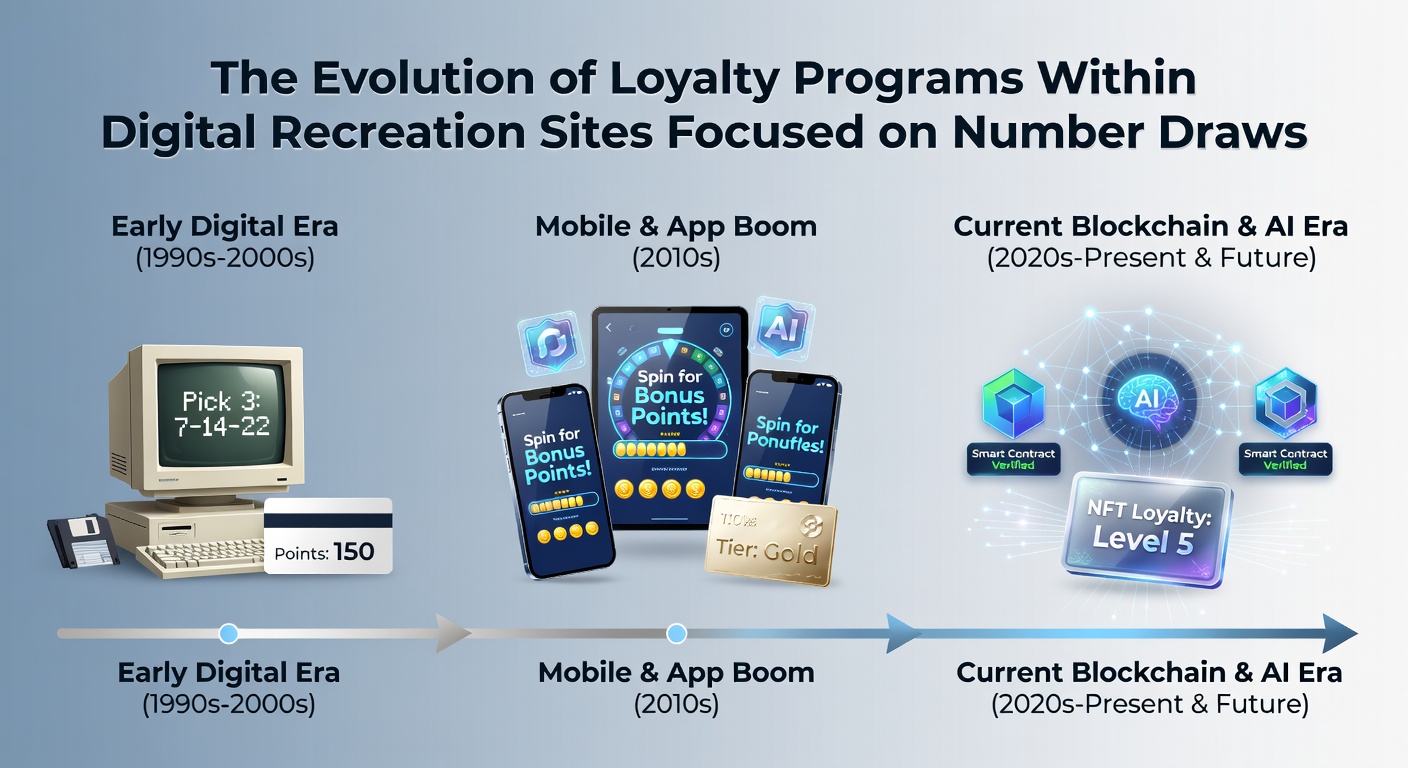
Digital recreation sites centered on number draws began incorporating loyalty programs in the late 1990s when basic point accumulation systems rewarded players for each ticket purchased or game entered, and these early structures mirrored traditional retail punch cards yet adapted to online interfaces where users logged in to track accumulated credits toward free plays or small cashbacks.
Foundational Structures in the 2000s
Operators introduced tiered membership levels by the mid-2000s so frequent participants could advance from basic silver status to higher gold or platinum categories after reaching specific draw participation thresholds, while data collected from these systems helped platforms adjust reward values based on average session lengths and ticket volumes across regions including North America and parts of Europe.
Integration of Mobile Technology
Smartphone adoption accelerated changes around 2010 when apps replaced browser-based logins and allowed real-time point notifications during live number draws, and developers added features such as streak bonuses for consecutive daily logins that encouraged sustained engagement without requiring larger single-session deposits.
Research from the International Gaming Institute at the University of Nevada indicates that mobile integration increased average reward redemption rates by 28 percent within the first two years of widespread app deployment across lottery-style platforms.
Data-Driven Personalization Emerges
By the early 2020s algorithms began analyzing individual draw patterns to tailor offers such as bonus entries into high-stake number selections or personalized multiplier events, and platforms started combining loyalty data with broader gameplay metrics to predict which users would respond best to time-limited challenges rather than generic point multipliers.
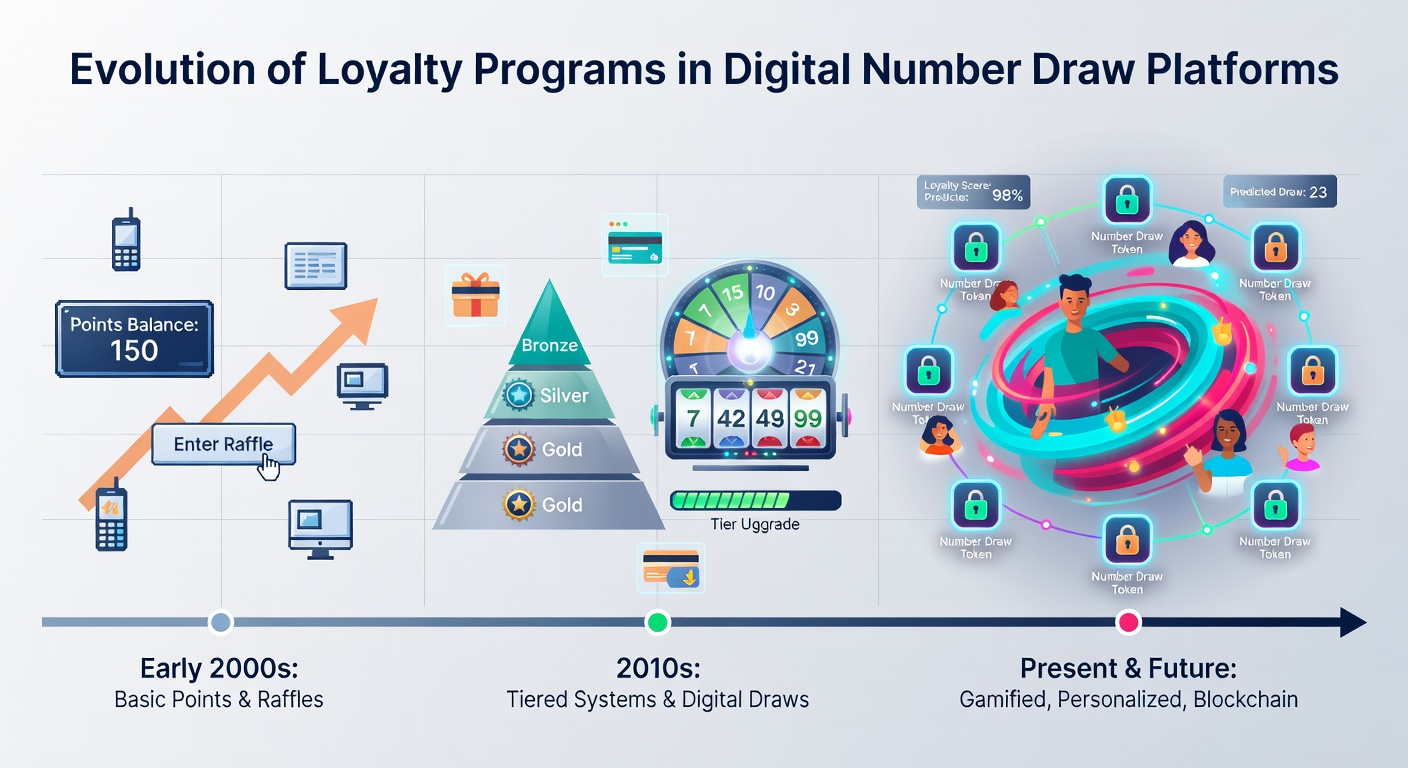
Those who have studied player behavior across multiple jurisdictions note that such customization reduced churn rates particularly among mid-tier members who previously received one-size-fits-all promotions that failed to match their preferred draw frequencies.
Regulatory Developments and Responsible Features
Canadian provincial regulators introduced guidelines in 2023 that required loyalty programs to display clear expiration rules for accumulated points and to provide opt-out mechanisms for targeted offers, while similar frameworks in Australian states emphasized transparent communication of how draw participation translated into reward eligibility without encouraging excessive play volumes.
These measures coincided with broader industry efforts to embed responsible gaming tools directly into loyalty dashboards so users could set personal limits on both spending and reward accrual simultaneously.
Current Landscape in Mid-2026
Reports released in May 2026 from the World Lottery Association highlight continued growth in hybrid rewards that blend virtual badges with tangible benefits such as merchandise or event access for top-tier number draw enthusiasts, and several major platforms now link loyalty accounts across multiple game types including bingo variants and keno draws to create unified progression paths.
Observers note that blockchain-based verification has appeared in select European and Asian markets to ensure tamper-proof tracking of points earned from international draw pools, although adoption remains gradual outside pilot programs.
Conclusion
Loyalty programs within digital number draw sites have progressed from simple accumulation tools to sophisticated ecosystems that leverage mobile access, algorithmic personalization, and regional regulatory standards to maintain participant interest over extended periods, and ongoing developments suggest further refinement around cross-platform compatibility and responsible play integration will shape the next phase of these systems.