Synchronization Protocols Managing Simultaneous Entries Across Distributed Bingo Server Networks
Written by Yves Walter · Jul 29, 2026

Synchronization Protocols Managing Simultaneous Entries Across Distributed Bingo Server Networks
Distributed bingo server networks rely on synchronization protocols to coordinate simultaneous player entries without conflicts or duplicated tickets, and these systems process thousands of requests per second during peak tournament periods. Engineers design these protocols around consensus mechanisms that ensure every server node agrees on the order and validity of entries before confirming them to players. Research from university labs shows that protocols such as variants of Raft and two-phase commit reduce entry collisions by up to 99 percent in high-traffic environments.
Core Mechanics of Entry Synchronization
Each bingo server maintains a local ledger of active game sessions while communicating with peer nodes through heartbeat messages and state replication, and this setup allows the network to detect and resolve competing claims for the same ticket number in milliseconds. Observers note that without proper synchronization, two players could receive confirmation for identical card sequences, which breaks game integrity across the entire platform. Data from industry reports indicate that networks using optimized locking queues experience fewer than one disputed entry per million transactions.
Handling Peak Load in Real Time
Bingo platforms face concentrated entry spikes when popular sessions open, and synchronization layers prioritize queue management combined with timestamp ordering to serialize requests from geographically dispersed users. In July 2026 multiple operators rolled out enhanced token-based coordination that assigns unique sequence numbers to incoming entries before they reach the central validation cluster. Those who've studied these implementations report that the approach cuts rollback operations by roughly 40 percent compared with earlier broadcast methods.
Consensus Algorithms in Practice
Engineers adapt established consensus algorithms to bingo workloads because the games demand both strong consistency for ticket assignment and low latency for player feedback, and studies from research institutions highlight how modified Paxos variants achieve sub-50-millisecond agreement times across continents. Nodes exchange proposal messages that include player identifiers, card selections, and session timestamps, after which a majority must acknowledge the entry before it becomes permanent. Figures reveal that networks spanning North America and Europe maintain consistency rates above 99.99 percent when these protocols run with dynamic leader election.
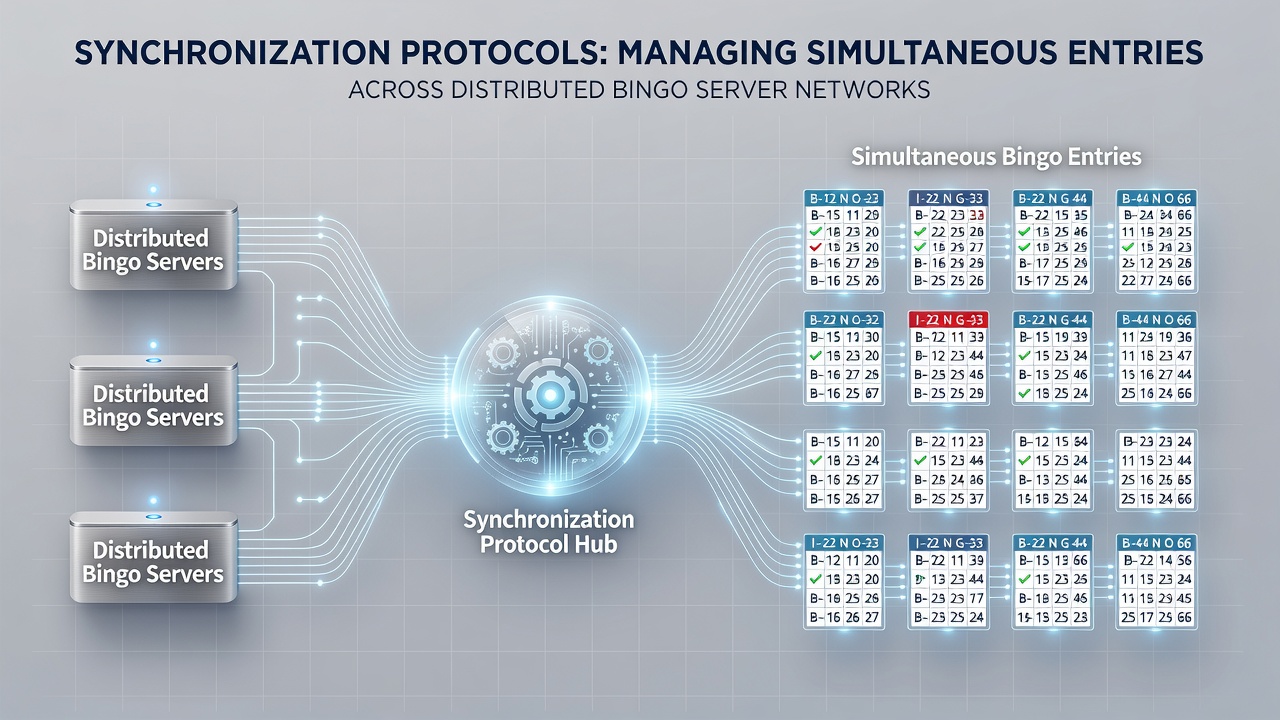
One documented case involved a North American operator integrating a hybrid protocol that combined lease-based locking with eventual consistency fallbacks, and the change allowed the system to absorb sudden entry surges during evening draws without service interruption. Regulatory bodies in Australia and Canada have begun referencing similar technical standards when evaluating platform compliance for multi-jurisdictional operations.
Scalability Considerations Across Regions
Operators expand server clusters to accommodate growing player bases, yet each additional node increases the volume of synchronization traffic that must travel between data centers, and tests conducted by academic groups demonstrate that sharded consensus groups keep message overhead manageable even at scales exceeding 50 nodes. Geographic distribution adds further complexity because latency between regions can reach 150 milliseconds, prompting developers to deploy regional coordinators that batch entries before global reconciliation. Evidence suggests these layered designs maintain fairness while supporting the regulatory requirement for auditable transaction logs in multiple jurisdictions.
Security and Audit Integration
Synchronization protocols incorporate cryptographic signing of each entry message to prevent tampering during transit between nodes, and this practice aligns with recommendations from international gaming technology associations that emphasize verifiable audit trails. Security teams monitor for anomalies such as repeated entry attempts from single sources, which the protocol flags and quarantines before they affect game state. Reports from European research centers note that signed consensus logs have already assisted regulators in resolving player disputes within hours rather than days.
Conclusion
Distributed bingo networks continue to refine synchronization protocols to meet rising demand for simultaneous play across borders, and ongoing work focuses on reducing coordination latency while preserving the deterministic ordering required for fair outcomes. Adoption of refined consensus methods in July 2026 and beyond reflects the sector's response to both technical and regulatory pressures. Those monitoring the field expect further integration of machine learning for predictive load balancing within these same synchronization frameworks.