Navigating Data Privacy Protocols Within Interactive Number Matching Applications
Written by Casey Peters · Jul 1, 2026

Navigating Data Privacy Protocols Within Interactive Number Matching Applications
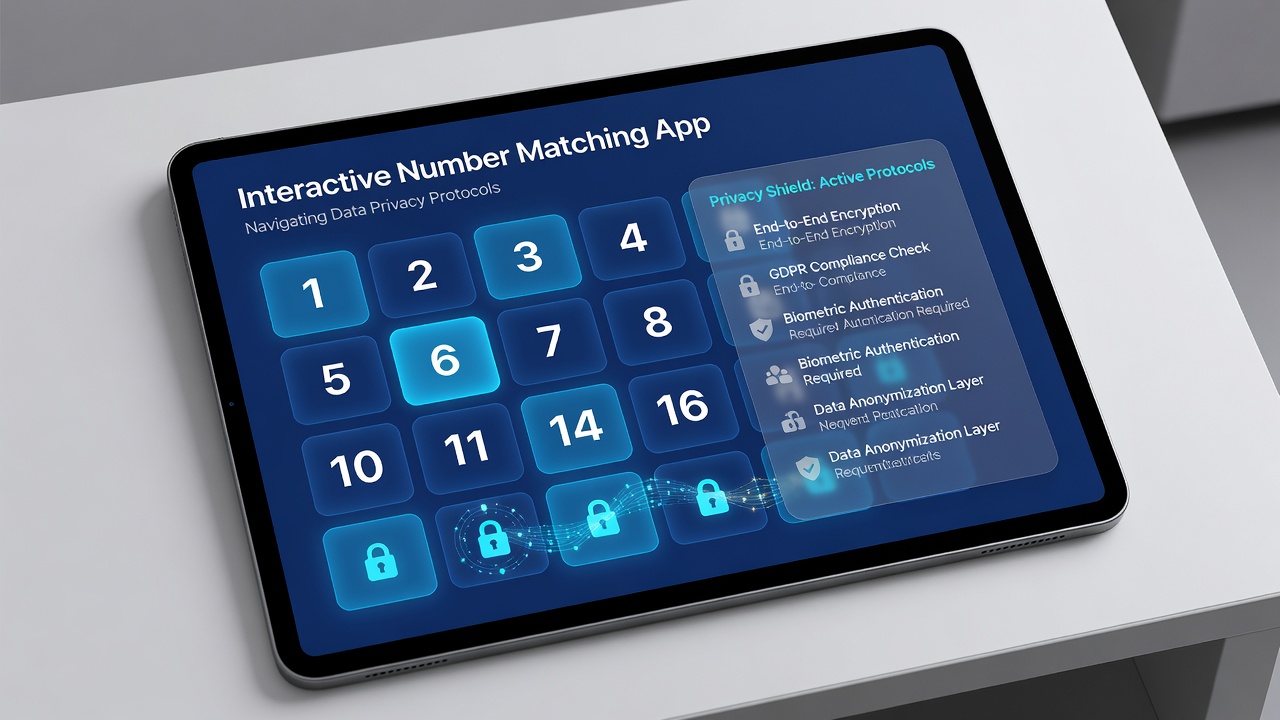
Interactive number matching applications collect user information at multiple touchpoints during registration, gameplay sessions, and reward distributions, which creates layered obligations for compliance teams who must align platform operations with evolving legal standards. These systems often process location data, device identifiers, and payment details alongside gameplay patterns, and developers address the resulting risks through structured protocols that separate personal identifiers from aggregated analytics.
Data Collection Points and Associated Risks
Registration forms capture names, email addresses, and sometimes government-issued identification when age verification becomes mandatory, while in-game tracking records every number selection and chat interaction. Payment processors add transaction histories that link directly to individual accounts, and third-party advertising networks receive anonymized segments that still require careful segmentation to prevent re-identification. Observers note that breaches in any single layer can expose patterns that reveal user behavior across multiple sessions, which is why encryption standards such as AES-256 and tokenization of payment credentials have become baseline requirements.
Regulatory Landscape Across Regions
Frameworks differ by jurisdiction yet share core principles around consent, minimization, and breach notification timelines. The European approach emphasizes explicit opt-in mechanisms and data portability rights, whereas North American rules often focus on transparency in privacy policies and limits on cross-border transfers. In July 2026 several regulatory bodies plan coordinated reviews of automated decision-making systems used for bonus eligibility and tournament seeding, prompting developers to audit algorithms that influence player groupings. According to guidance from the Federal Trade Commission, clear disclosure of data retention periods must appear before any collection occurs, and similar expectations appear in Canadian provincial statutes administered by the Office of the Privacy Commissioner.
Technical Safeguards in Practice
Application architects implement role-based access controls that restrict employee visibility to only the datasets required for specific support tasks, and they maintain immutable audit logs that record every query against user records. Multi-factor authentication protects administrative dashboards, while regular penetration testing identifies vulnerabilities in API endpoints that handle number draw results and chat transcripts. Pseudonymization techniques replace usernames with unique tokens before any analytics processing begins, which reduces the impact of potential leaks without disrupting gameplay functionality.
User Rights and Platform Responsibilities
Individuals retain the ability to request deletion of their profiles, and operators must respond within statutory windows while preserving necessary transaction records for tax or dispute purposes. Data portability features allow users to export their game history in machine-readable formats, and many platforms now provide in-app dashboards where participants review which third parties have received anonymized segments. Research from academic centers tracking digital entertainment platforms indicates that clear exercise of these rights correlates with higher long-term retention when users feel their information remains under their control.
Integration Challenges During Platform Updates
Adding new tournament modes or live dealer features often requires fresh data streams that must route through existing privacy controls, and legacy codebases sometimes create friction when encryption keys need rotation. Teams coordinate with legal counsel to map each new data element against consent records, ensuring that previously collected profiles do not receive expanded processing without renewed authorization. Vendors supplying cloud infrastructure must demonstrate compliance certifications that align with the strictest jurisdiction where the application operates.
Emerging Standards and Industry Collaboration
Trade associations representing digital recreation providers have begun publishing model clauses for data processing agreements that address number matching specifics, such as handling of draw result timestamps and chat moderation logs. These templates draw from broader frameworks yet tailor retention schedules to the shorter lifecycle of promotional events, and they encourage shared threat intelligence among operators facing similar attack surfaces. University-led studies continue to examine how differential privacy techniques can mask individual participation patterns while preserving aggregate statistics used for game fairness audits.
Conclusion
Effective navigation of data privacy protocols in interactive number matching applications requires continuous alignment between technical controls, regulatory updates, and user expectations. Organizations that embed these considerations into every development cycle reduce exposure while maintaining the seamless experiences that define the category, and coordinated efforts across regions help establish consistent baselines as new features and data types emerge.