How Device Interfaces Shape Participation Rhythms in Cross-Border Number Draw Competitions with Rotating Prize Structures
Written by Wendy Coleman · Jul 13, 2026
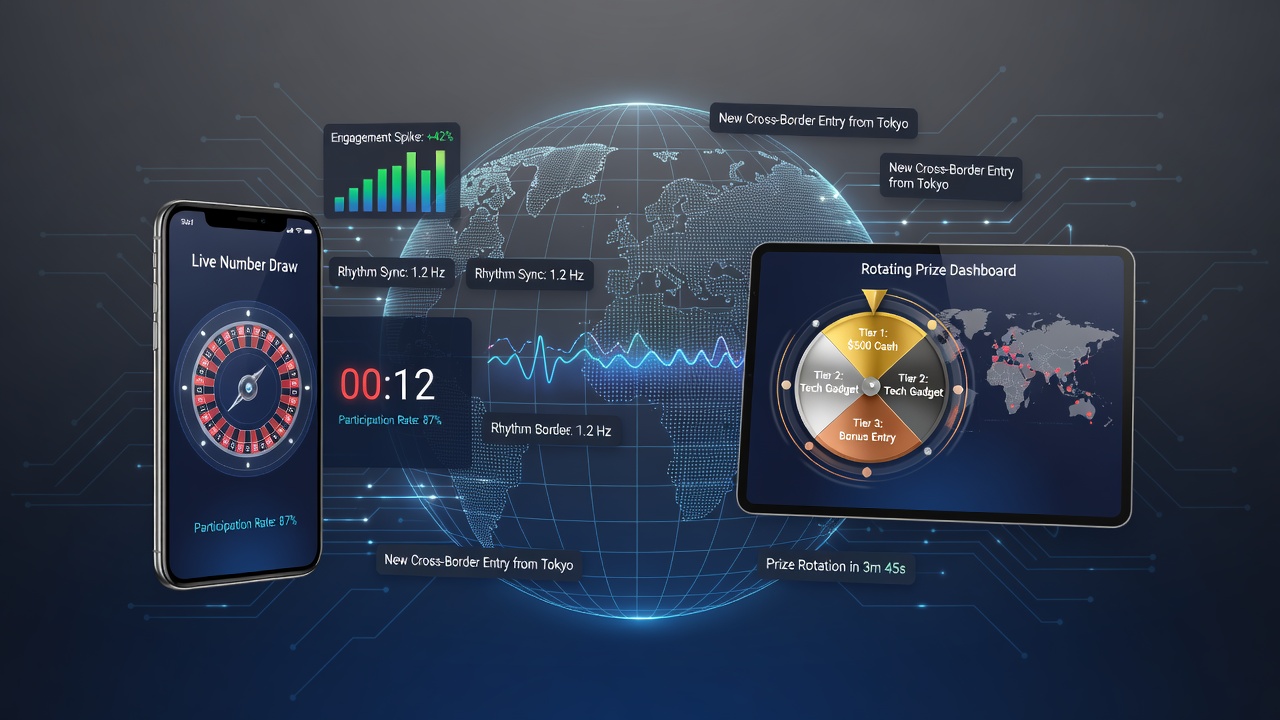
How Device Interfaces Shape Participation Rhythms in Cross-Border Number Draw Competitions with Rotating Prize Structures
Device interfaces determine how participants engage with cross-border number draw competitions that feature rotating prize structures, and these interactions produce distinct rhythms in entry timing, frequency, and duration across different regions. Mobile applications and web-based platforms present varied pathways for ticket purchases and result checks, which in turn influence when and how often individuals from multiple countries submit entries as prize amounts adjust through rollovers or tiered distributions. Data from industry tracking services indicate that interface elements such as push notifications, one-tap selections, and real-time jackpot displays correlate with clustered activity periods that span time zones.
Core Components of Device Interfaces in Number Draw Systems
Interfaces on smartphones typically feature simplified navigation menus and biometric login options that reduce the steps required to complete a draw entry, whereas desktop versions often include expanded data visualizations and multi-line selection tools that support more detailed review before submission. According to figures released by the Australian Gambling Research Centre, mobile sessions average shorter durations yet occur at higher daily frequencies compared with desktop interactions, particularly when rotating prize pools exceed baseline thresholds. These differences emerge because touch-based controls allow quick number picks during brief windows of availability, while larger screens facilitate comparison of historical draw patterns across borders.
Rhythms of Participation Across Time Zones and Platforms
Participation rhythms shift noticeably when users switch between interface types, with mobile devices driving spikes during commuting hours or evening breaks in various regions, whereas desktop access tends to concentrate around scheduled work breaks or dedicated evening sessions. Cross-border competitions amplify these patterns because participants in Asia, Europe, and the Americas align their entries with rotating prize announcements that update at fixed intervals, often synchronized through server-side timers visible on both app and browser displays. Research compiled by the National Council on Problem Gambling in the United States shows that interface-driven reminders increase entry rates by measurable percentages during the 48 hours preceding major prize rotations, creating predictable waves of activity that cross multiple jurisdictions simultaneously.
Influence of Rotating Prize Structures on Entry Timing
Rotating prize structures, which adjust values based on unsold tickets or accumulated rollovers, interact directly with interface features such as progress bars and countdown clocks that update dynamically on mobile screens. These visual cues prompt repeated checks throughout the day on portable devices, generating shorter but more frequent engagement cycles compared with the longer review sessions observed on stationary computers. In July 2026, several major cross-border operators reported elevated mobile traffic coinciding with announced prize escalations, as documented in quarterly summaries from the European Lotteries Association, where data revealed distinct morning and late-afternoon clusters tied to interface notification settings rather than traditional draw schedules.
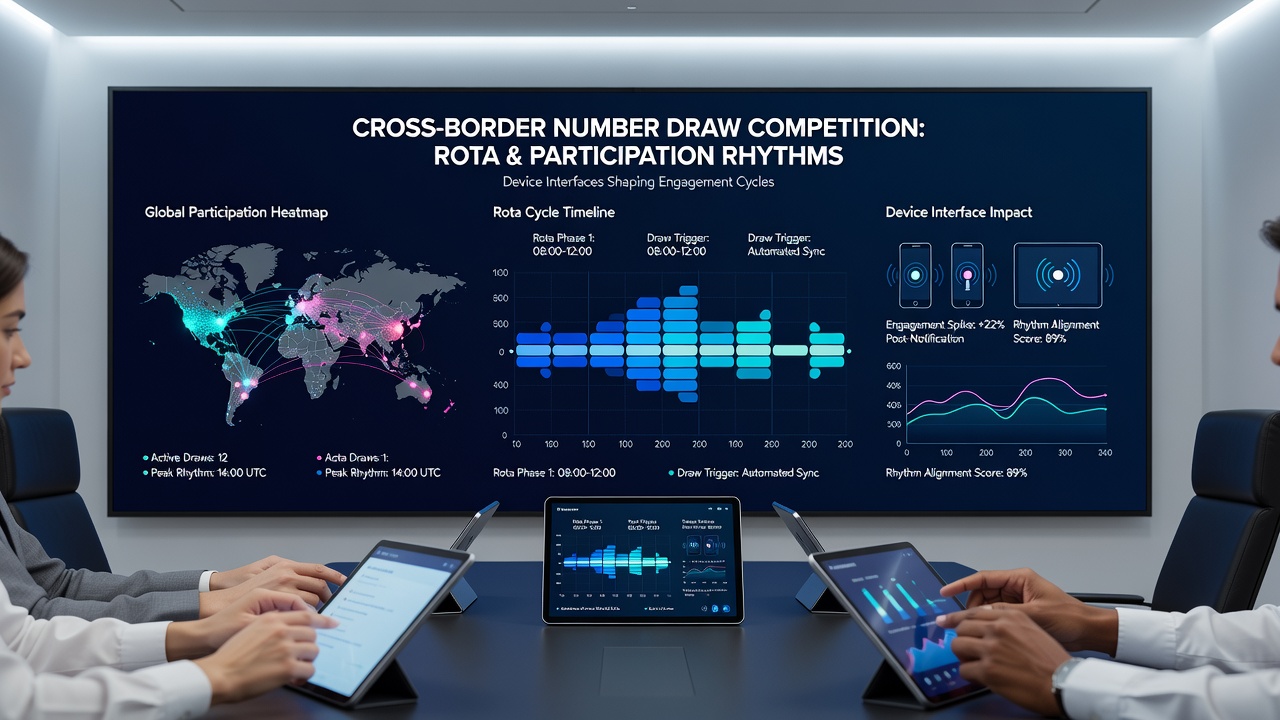
Observers note that participants using interfaces with seamless currency conversion and regional draw aggregation tend to maintain steadier rhythms across borders, while those limited to basic mobile views exhibit more sporadic bursts aligned with prize growth alerts. Studies from the University of Nevada's International Gaming Institute further detail how desktop interfaces equipped with exportable history logs support strategic timing decisions that extend participation intervals, contrasting with the immediate-response loops encouraged by streamlined app designs.
Cross-Border Accessibility and Interface Standardization
Cross-border number draw competitions rely on interfaces that accommodate diverse regulatory requirements, language settings, and payment gateways, all of which affect the pace at which entries accumulate during prize rotation cycles. Standardized API connections between platforms enable consistent display of rotating prize amounts regardless of device, yet subtle variations in loading speeds and confirmation workflows create measurable differences in completion rates across regions. Figures from the Canadian Centre for Gaming Research indicate that participants accessing competitions through optimized mobile interfaces demonstrate higher continuity in weekly entry patterns, especially when prize structures rotate on multi-day schedules that span international holidays and weekends.
Interface updates deployed in early 2026 incorporated adaptive layouts that adjust button placement based on screen size, which researchers linked to smoother participation flows during periods of rapid prize escalation. These modifications reduced friction points that previously interrupted entry sequences for users in high-latency network areas, thereby stabilizing rhythm patterns that had previously shown sharp drops mid-rotation cycle.
Conclusion
Device interfaces continue to define the temporal structure of participation in cross-border number draw competitions with rotating prize structures through their influence on entry speed, notification frequency, and cross-platform continuity. Data collected through 2026 demonstrate consistent correlations between interface design choices and the resulting daily, weekly, and event-driven activity clusters observed across participating regions. As operators refine these systems, the documented rhythms provide measurable indicators of how access methods shape collective engagement patterns without altering the underlying competition mechanics.