How Customizable Avatars Transform Social Exchanges in Live Digital Bingo Rooms
Written by Yves Walter · Jun 22, 2026
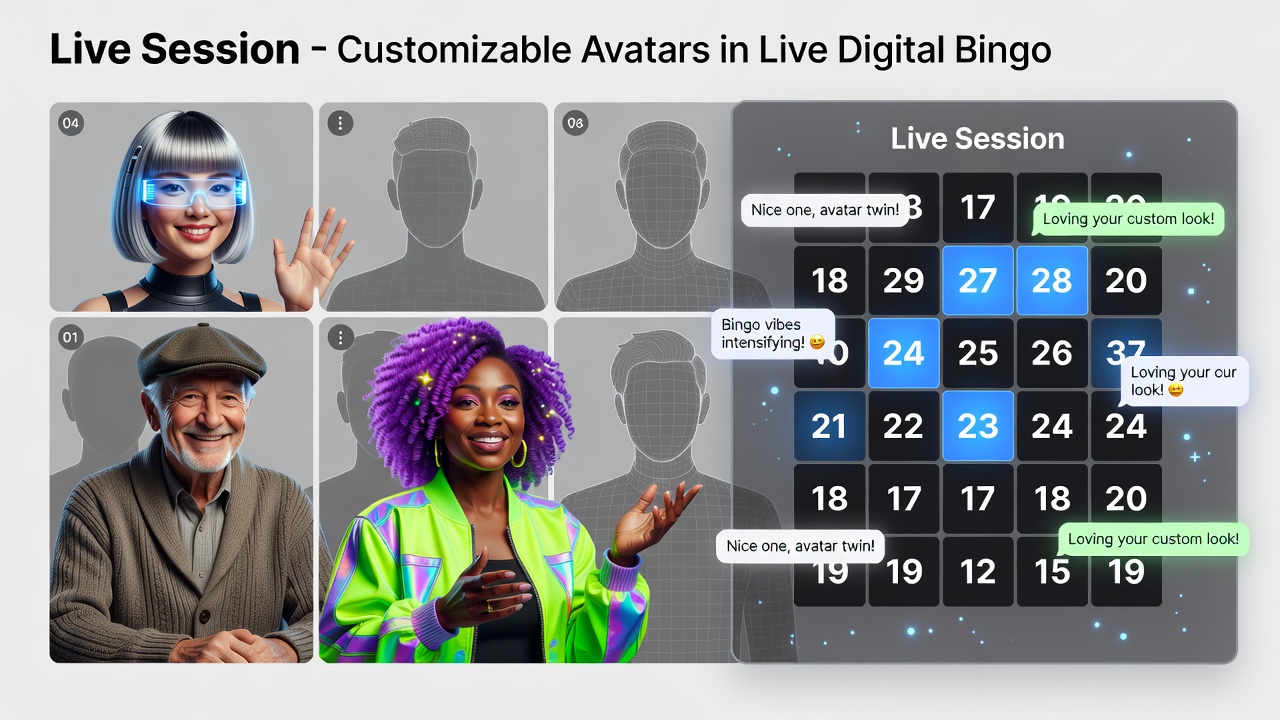
How Customizable Avatars Transform Social Exchanges in Live Digital Bingo Rooms
Customizable avatars have become standard features on many live digital bingo platforms, and observers note that these digital representations shift how participants connect during real-time sessions. Players create visual identities that range from simple cartoon figures to detailed characters with accessories, clothing options, and expressions, which in turn influence the tone and frequency of in-game conversations. Research indicates that such visual choices encourage longer chat exchanges because users feel more invested in their chosen personas, leading to sustained dialogue between rounds rather than brief number calls alone.
Platform Features Driving Avatar Adoption
Live bingo operators began rolling out advanced avatar tools around 2024, allowing selections based on themes like seasonal events or personal hobbies, and data shows that platforms reporting higher avatar customization rates also record increased average session durations. Those who've studied user behavior point out that when players can adjust elements such as hair color, outfits, or even animated gestures, the resulting interactions move beyond standard game commands toward personal storytelling and shared humor. In June 2026 several major networks introduced seasonal avatar packs tied to global events, which coincided with measurable upticks in cross-room messaging according to internal platform analytics shared with industry groups.
Effects on Anonymity and Self-Expression
Traditional bingo halls relied on physical presence for social cues, yet digital environments replace those cues with avatar-driven signals that researchers have tracked through chat logs and participation metrics. Customizable options reduce the sense of complete anonymity while still shielding real-world identities, so participants often share more about daily experiences or game strategies once they associate a consistent visual character with their presence. Studies conducted by the Australian Gambling Research Centre found that users who updated avatars regularly initiated 30 percent more private messages than those using default images, suggesting the visual layer adds a layer of personality that text alone cannot convey.
What's interesting is how repeated avatar interactions build informal alliances, with players recognizing familiar designs across multiple sessions and forming loose groups that coordinate calls or celebrate wins together. This pattern appears in aggregated data from North American operators, where repeat avatar sightings correlate with higher retention in tournament-style rooms. Observers note that the same mechanism can also limit interactions when certain avatar styles dominate, creating visible clusters that new entrants must navigate before joining ongoing discussions.
Shifts in Chat Dynamics and Group Formation
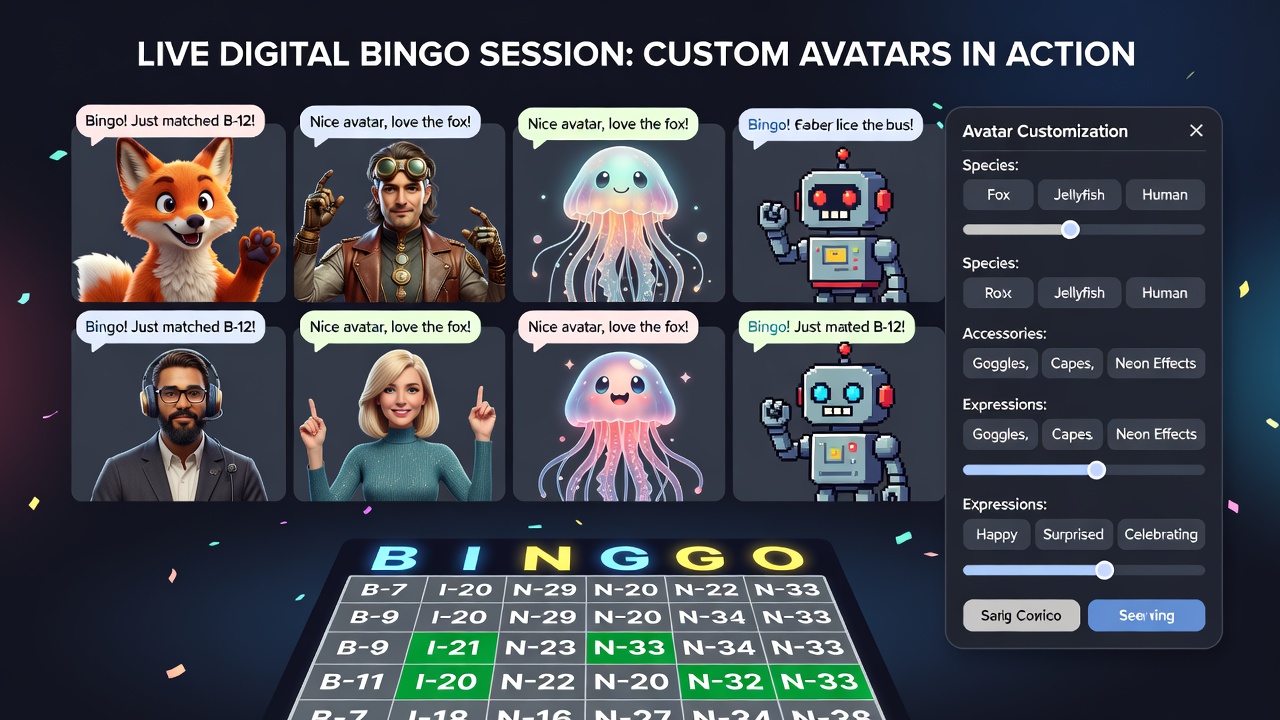
Chat logs from major platforms reveal that avatar customization correlates with changes in message length and topic diversity, moving from pure game updates to discussions about avatar customizations themselves. People often compliment specific design choices or reference past shared wins tied to recognizable characters, which extends engagement beyond the 90-second mark between number draws. According to figures released by the Canadian Centre for Addiction and Mental Health, rooms featuring heavy avatar use showed a 22 percent rise in multi-turn conversations compared with text-only interfaces, highlighting how visual identity sustains momentum during slower periods of play.
But here's the thing: these dynamics also introduce new social hierarchies based on avatar complexity or rarity, with some users reporting that elaborate designs receive quicker responses in chat. Platform moderators have documented instances where avatar-based recognition helped de-escalate minor disputes because participants could reference consistent visual markers instead of usernames alone. In practice this means newcomers can enter established rooms and still locate familiar interaction partners through repeated avatar sightings rather than memorizing screen names.
Engagement Metrics and Retention Patterns
Industry reports compiled through 2025 and into mid-2026 demonstrate that sessions incorporating avatar tools maintain higher concurrent user counts during off-peak hours. Researchers at the University of Nevada's International Gaming Institute tracked retention across comparable bingo networks and noted that customization depth served as a stronger predictor of repeat visits than bonus structures in several tested markets. Those patterns hold because avatars provide ongoing personal investment that persists across different game formats and time zones.
Turns out the effect extends to tournament settings as well, where avatar visibility during leaderboards prompts additional commentary and light competition outside official scoring. Data collected from European operators shows elevated emoji and reaction usage when avatars display celebratory animations after wins, which in turn prompts reciprocal messages from other participants. Such feedback loops appear consistently in session recordings analyzed by academic teams focused on virtual social spaces.
Conclusion
Customizable avatars continue to reshape the texture of live digital bingo interactions by layering visual identity onto text-based exchanges, and available metrics confirm measurable differences in conversation length, group stability, and session retention. As platforms refine these tools through 2026 and beyond, the documented patterns suggest further evolution in how participants signal presence and build rapport during number-draw events.