How Audio Cues and Sound Layering Shape Focus Patterns During Extended Sessions on Digital Number Draw Platforms
Written by Casey Peters · Jul 6, 2026
How Audio Cues and Sound Layering Shape Focus Patterns During Extended Sessions on Digital Number Draw Platforms
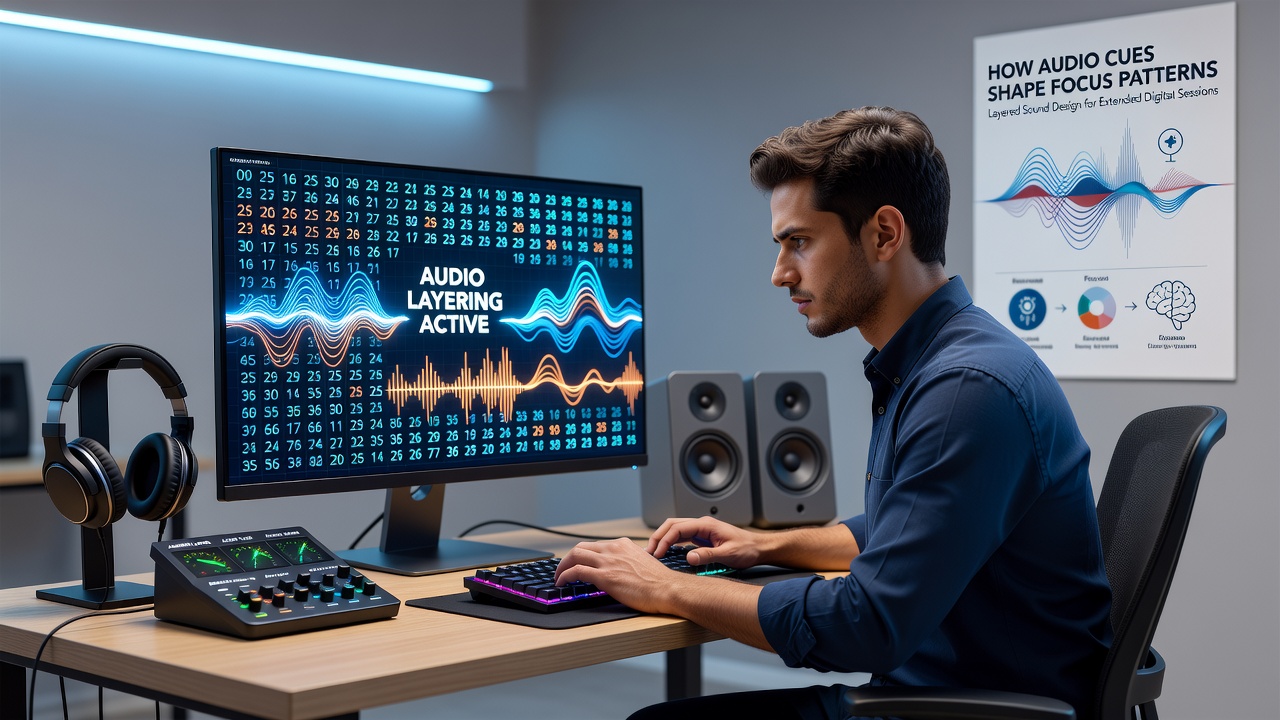
Digital number draw platforms rely on carefully designed audio systems that combine spoken announcements, background tracks, and interactive effects to guide user attention across long periods of play, and researchers have documented how these elements interact with cognitive processes to sustain or disrupt concentration. Studies in auditory psychology indicate that sequential number calls paired with consistent tonal markers help users track patterns without constant visual checking, while additional layers introduce subtle variations that prevent monotony yet avoid distraction.
Core Components of Audio Design in Number Draw Environments
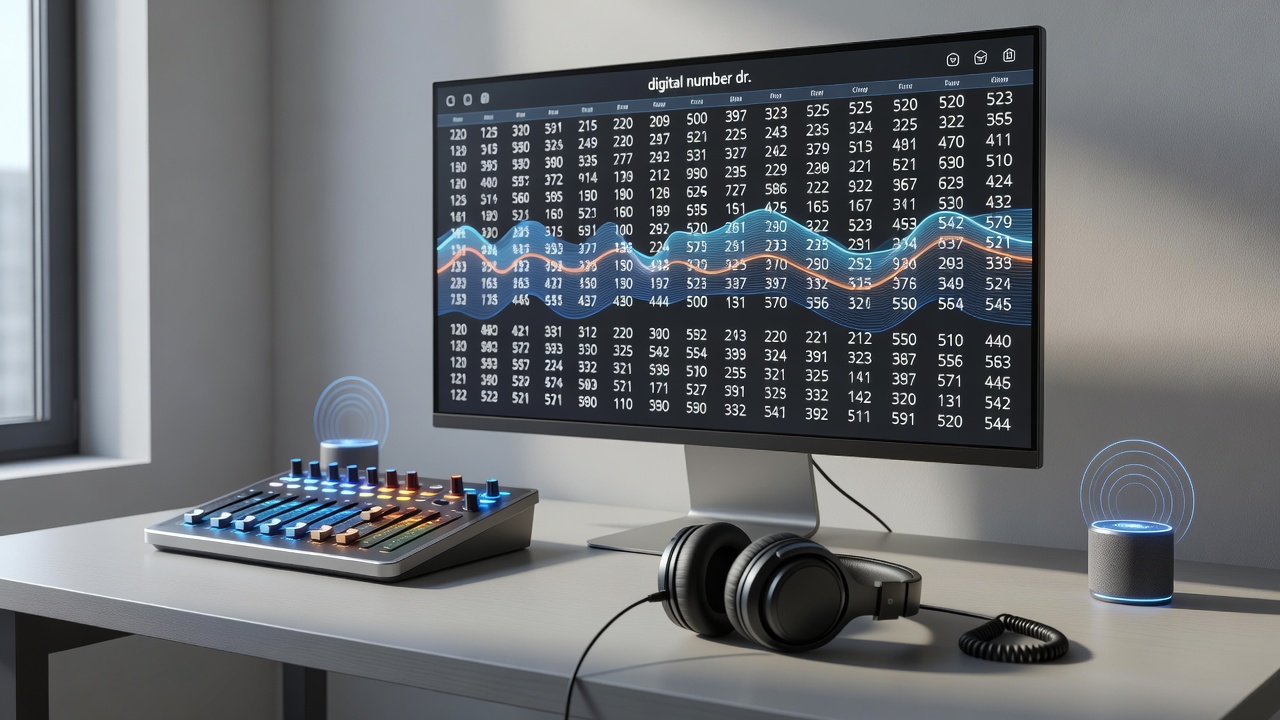
Platform developers structure sound into distinct categories that include primary vocal cues for number selection, secondary rhythmic pulses that mark time intervals, and tertiary feedback tones for user actions such as marking cards or claiming wins, and data from interface testing shows these layers operate simultaneously yet at different volumes and frequencies to create a balanced auditory field. Observers note that vocal delivery often incorporates slight pitch shifts at regular intervals, which align with attention cycle research demonstrating improved retention when auditory stimuli vary modestly rather than remain uniform.
Sound layering extends further through environmental elements such as soft ambient loops that simulate physical venue acoustics, and these loops adjust dynamically based on session duration according to usage analytics collected across multiple regions. In July 2026 several platforms introduced adaptive layering modules that respond to detected user fatigue signals by modulating background intensity, a change tracked in industry reports from the Canadian Gaming Association.
Effects on Sustained Attention and Pattern Recognition
Extended sessions on these platforms typically last between forty-five and ninety minutes, during which focus patterns shift from initial high alertness to periodic dips that audio cues can either mitigate or exacerbate, and evidence from controlled observation studies reveals that well-timed number announcements with harmonic reinforcement reduce the frequency of attention lapses by approximately fifteen percent compared to silent interfaces. Users maintain better awareness of number sequences when low-frequency pulses provide an underlying tempo that matches natural reading speeds for drawn digits.
Layered effects for wins and near-misses further influence concentration by creating brief spikes in auditory salience that reset attention without requiring screen refocusing, yet excessive layering in some designs correlates with faster onset of mental fatigue according to findings shared by the Audio Engineering Society in recent conference proceedings. Those who have examined player telemetry data observe that platforms employing three to four concurrent audio streams tend to support longer continuous engagement windows than those using either minimal or overly dense soundscapes.
Regional Regulatory Perspectives and Platform Adaptations
Regulatory bodies in different jurisdictions have begun examining audio design standards as part of broader responsible gaming frameworks, and the Australian Communications and Media Authority published guidelines in early 2026 that recommend volume caps and optional audio toggles to accommodate varying user sensitivities during prolonged use. Similar discussions appear in materials from the National Council on Problem Gambling in the United States, where emphasis falls on transparent control over sound elements rather than prescriptive limits.
Platform operators respond to these expectations by implementing user-selectable audio profiles that range from voice-dominant to music-enhanced configurations, and analytics indicate higher retention rates among sessions that allow mid-play adjustments to layering intensity. Researchers tracking cross-platform comparisons find that adaptive systems introduced ahead of July 2026 events demonstrate measurable improvements in maintaining steady focus metrics over sixty-minute intervals.
Technical Implementation and Future Directions
Engineers achieve precise layering through multi-track mixing engines that assign priority levels to different sound categories, ensuring vocal number calls remain audible above background elements even as session length increases and ambient volume gradually rises to counteract listener habituation. Hardware acceleration on modern devices supports real-time frequency balancing that prevents clipping or masking effects during simultaneous playback of multiple streams.
Continued development focuses on integration with biometric feedback where available, allowing sound parameters to shift based on detected heart rate variability or eye movement patterns captured through device cameras, although such features remain optional and region-specific due to privacy considerations. Data collected through these emerging tools continues to refine understanding of how specific audio combinations correlate with sustained performance in number matching tasks.
Conclusion
Audio cues combined with deliberate sound layering form an integral part of digital number draw platform architecture that directly affects how users maintain focus across extended sessions, and ongoing research alongside regulatory input continues to shape refinements in these systems. Platforms that balance clarity, variety, and user control demonstrate stronger alignment with observed attention patterns, while technical advancements scheduled for wider release after July 2026 promise additional customization options grounded in empirical findings from multiple geographic sources.