Examining How Cultural Heritage Shapes Digital Adaptations of Traditional Number Draw Games in Emerging Markets
Written by Katja Coleman · Aug 24, 2026

Examining How Cultural Heritage Shapes Digital Adaptations of Traditional Number Draw Games in Emerging Markets
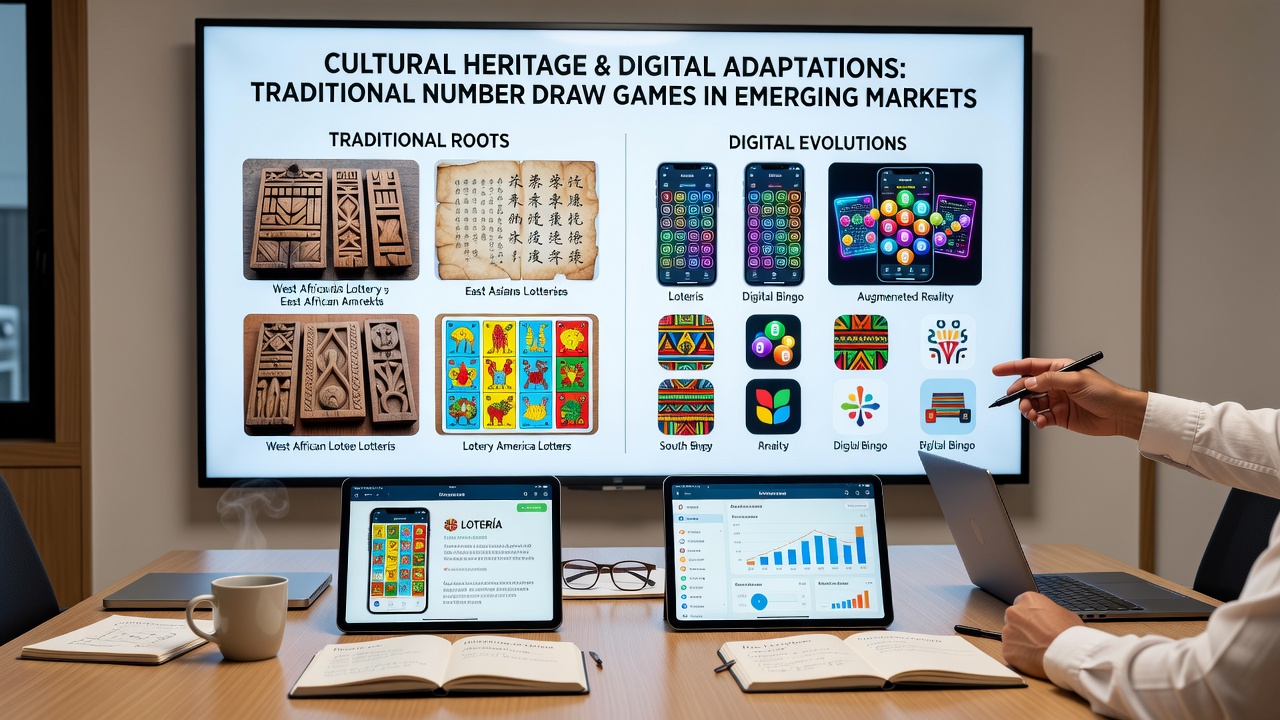
Traditional number draw games have long served as communal rituals in many emerging markets, where villagers gather to select numbers tied to local festivals, harvest cycles, and ancestral stories, and digital platforms now carry those same practices into app-based formats that preserve group participation while expanding reach across urban and rural areas alike.
Roots in Community Rituals and Symbolism
Number selection in places like parts of West Africa often draws from oral histories where specific digits connect to birth dates, market days, or spirit names, and researchers at institutions such as the University of Lagos have documented how these patterns transfer directly into mobile interfaces that display culturally resonant icons instead of generic balls. Observers note that platforms in Nigeria and Ghana incorporate proverbs or drum rhythms during draws, which maintains the social storytelling element even when users play individually on smartphones. Data from regional studies shows participation spikes during events like yam festivals because developers align virtual draws with those calendars rather than imposing standardized global schedules.
Adaptations Across Asia and Latin America
In South Asia, number draws frequently reference astrological charts or regional deities, and several Indian platforms embed regional calendars that trigger special rounds during Diwali or Pongal, allowing users to select numbers associated with family deities while the system records draws in real time for remote relatives. A study released in early 2026 by academic teams at Jawaharlal Nehru University highlighted how these features increase retention among users who previously avoided digital versions because they lacked familiar symbolic layers. Similarly in Brazil, where carnival numbers and samba school affiliations influence choices, digital adaptations integrate color palettes and sound cues from local music traditions, and government reports from the Ministry of Culture indicate that such designs help smaller operators compete with larger international services by emphasizing authenticity over flashy animations.
Regulatory and Technological Integration Patterns
Emerging market regulators have begun requiring cultural consultation during licensing processes, and in August 2026 several African gaming authorities convened to share guidelines that mandate incorporation of indigenous symbols when operators digitize traditional draws. Those who've studied these frameworks point out that compliance often involves partnerships with local historians and artists, resulting in interfaces that use approved icon sets rather than generic stock imagery. Platform analytics reveal that games featuring region-specific motifs see higher session durations in rural zones where internet access remains intermittent, because users return to complete draws tied to community events instead of treating the activity as isolated entertainment. Industry data from sources like the African Gaming Association further shows that hybrid models combining SMS entry with app visuals preserve participation among older demographics who value the ritual of group number calling.
Challenges in Scaling Without Dilution
Developers face pressure to standardize code across multiple countries while still honoring distinct traditions, and case examples from Southeast Asian operators demonstrate that over-generalization leads to lower engagement when symbols lose their localized meaning. Research indicates successful adaptations rely on modular design that lets communities upload or approve custom elements, yet this approach demands ongoing moderation to prevent misuse of sacred imagery. Figures from academic papers published through regional universities reveal that markets with stronger heritage integration report steadier growth in first-time users compared with those relying solely on imported mechanics. Observers note that August 2026 updates to several national digital economy plans explicitly reference cultural preservation clauses for gaming sectors, encouraging operators to document how heritage elements influence user behavior metrics.
Conclusion
Digital adaptations of traditional number draw games in emerging markets continue to reflect the symbolic systems and communal rhythms that originally defined these activities, with evidence from multiple regions demonstrating that culturally aligned features support both participation and continuity. As platforms evolve through 2026 and beyond, the patterns observed so far suggest that heritage considerations will remain central to how these games function across diverse populations.