Examining Artificial Intelligence Personalization Techniques Reshaping Recommendation Engines Inside Virtual Number Draw Communities
Written by Wendy Coleman · Aug 7, 2026
Examining Artificial Intelligence Personalization Techniques Reshaping Recommendation Engines Inside Virtual Number Draw Communities
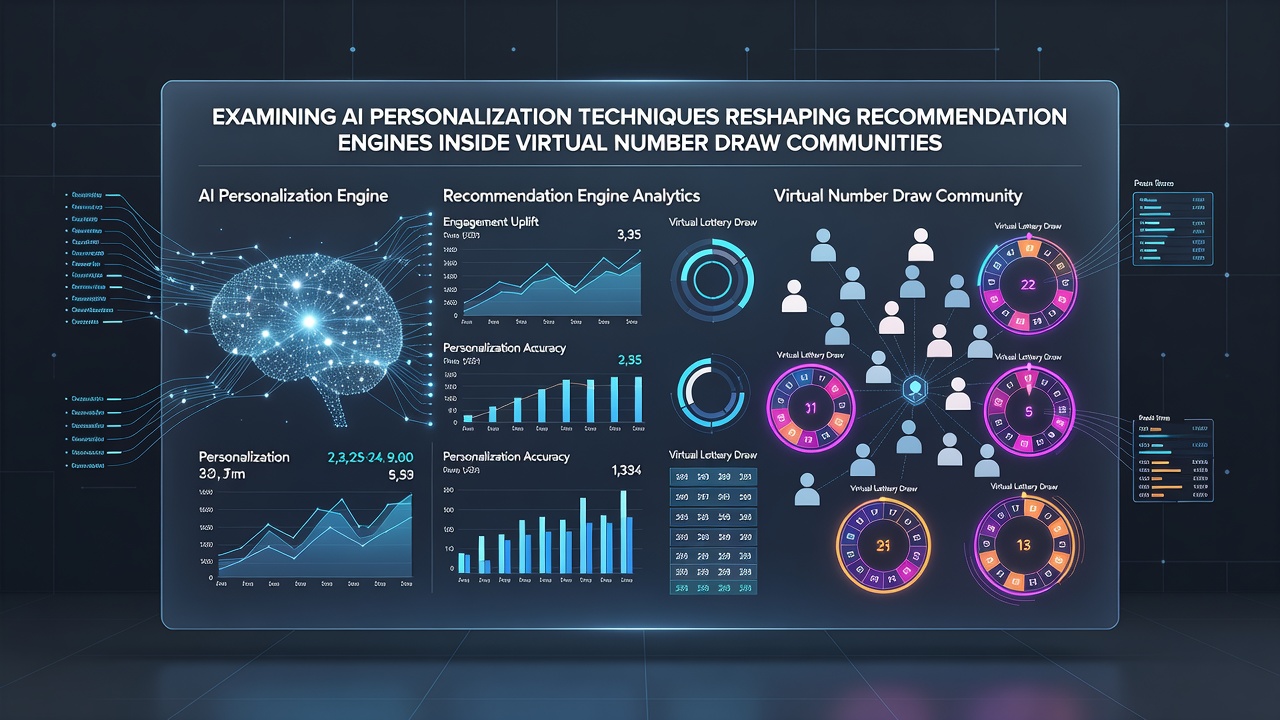
Virtual number draw communities rely on recommendation engines that sort through player histories, session times, and number preferences to suggest games, rooms, and promotions, and artificial intelligence has accelerated those processes since early 2025. Researchers at multiple institutions have documented how machine learning models now process real-time inputs such as average cards per session and chat frequency to adjust what appears on each user's dashboard within seconds. Data from industry reports indicate that these systems reduced bounce rates by measurable percentages across several major platforms during the first half of 2026.
Core Personalization Methods in Use
Collaborative filtering remains a foundation, yet newer hybrid approaches combine it with neural networks that weigh both explicit choices and implicit signals like hover duration over certain game thumbnails. Content-based techniques examine metadata from past draws, including jackpot size and draw frequency, then map those attributes against individual profiles. Reinforcement learning layers sit on top of these models, testing small variations in suggestion order and retaining only the sequences that extend average session length. Observers note that platforms testing these combined methods reported higher repeat login rates compared with earlier rule-based systems.
Take one mid-sized operator that integrated a graph neural network in March 2026; its internal metrics showed a shift in player distribution toward less popular rooms once the model began surfacing niche variants based on similar-user clusters. Another deployment used natural language processing on public chat logs to detect emerging number superstitions and immediately promoted related draws to matching profiles. Such adjustments happen continuously, without manual intervention from community managers.
Impact on Player Navigation and Retention
Recommendation engines now influence which tournaments surface first, which bonus structures receive priority placement, and even which social features get highlighted during onboarding. Figures released by platform analytics teams reveal that personalized game carousels increased click-through rates by double-digit margins in controlled A/B tests conducted through July 2026. Because virtual number draw environments often feature dozens of simultaneous rooms, the ability to surface three or four high-relevance options instead of a flat list helps users locate preferred formats faster. Studies tracking cohort behavior found that players exposed to adaptive suggestions maintained longer active streaks across multiple months.
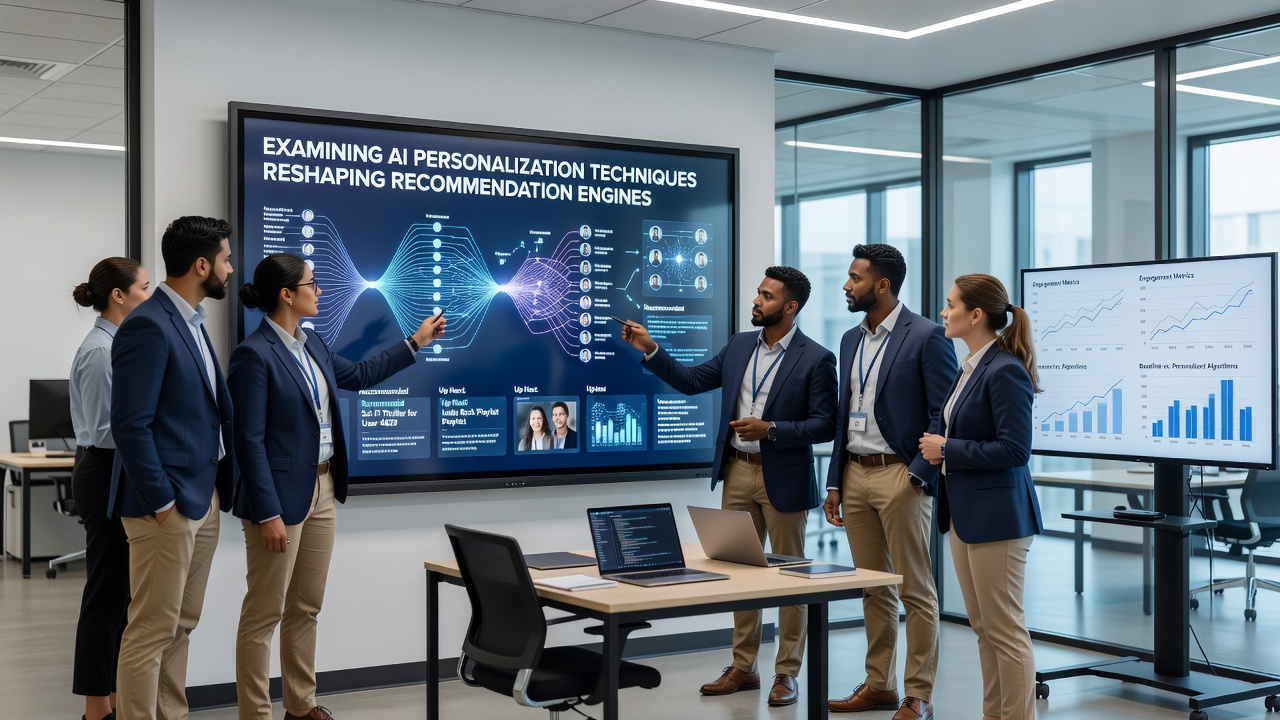
Regional differences appear in how these engines handle regulatory boundaries. Platforms serving North American users incorporate additional filters drawn from state-level guidelines, whereas European deployments reference cross-border data protection standards that shape what personal attributes may feed the models. The Australian Communications and Media Authority has published guidance on transparency requirements for algorithmic recommendations in gaming contexts, prompting several operators to add explanatory tooltips that describe why certain draws appear. These adaptations demonstrate how technical personalization intersects with compliance frameworks without altering the underlying algorithms themselves.
Technical Evolution Observed Through Mid-2026
By August 2026, several providers had moved from batch-processed models updated nightly to streaming architectures that retrain on incoming events every few minutes. Edge computing nodes placed near major data centers now handle initial scoring, reducing latency for mobile users who switch between portrait and landscape views during live draws. Academic papers presented at gaming technology conferences that year highlighted experiments with federated learning, where model updates occur locally on devices and only aggregated gradients return to central servers, addressing privacy concerns while preserving prediction accuracy. One university-led project tracked performance across 12 months and documented stable lift in engagement metrics even after privacy-preserving constraints were applied.
Those who manage virtual number draw communities report that integrating these techniques requires careful calibration of reward signals inside the reinforcement learning loops. Over-optimizing for session length alone can surface repetitive suggestions that eventually reduce variety, so teams now include diversity penalties and exploration bonuses in their objective functions. The result appears in dashboards where users encounter both familiar formats and occasional new variants that align with latent preference patterns extracted from broader community data.
Conclusion
Artificial intelligence personalization techniques continue to refine how recommendation engines operate inside virtual number draw communities, drawing on collaborative signals, neural architectures, and real-time reinforcement loops. Evidence gathered through 2026 shows measurable shifts in navigation efficiency and session patterns once these systems reach production scale. Operators that align model objectives with both engagement data and regional compliance requirements maintain the technical flexibility needed as player bases and regulatory expectations evolve.