Decoding Player Retention Patterns Through Adaptive Reward Algorithms in Browser-Based Number Matching Platforms
Written by Yves Walter · Jun 1, 2026
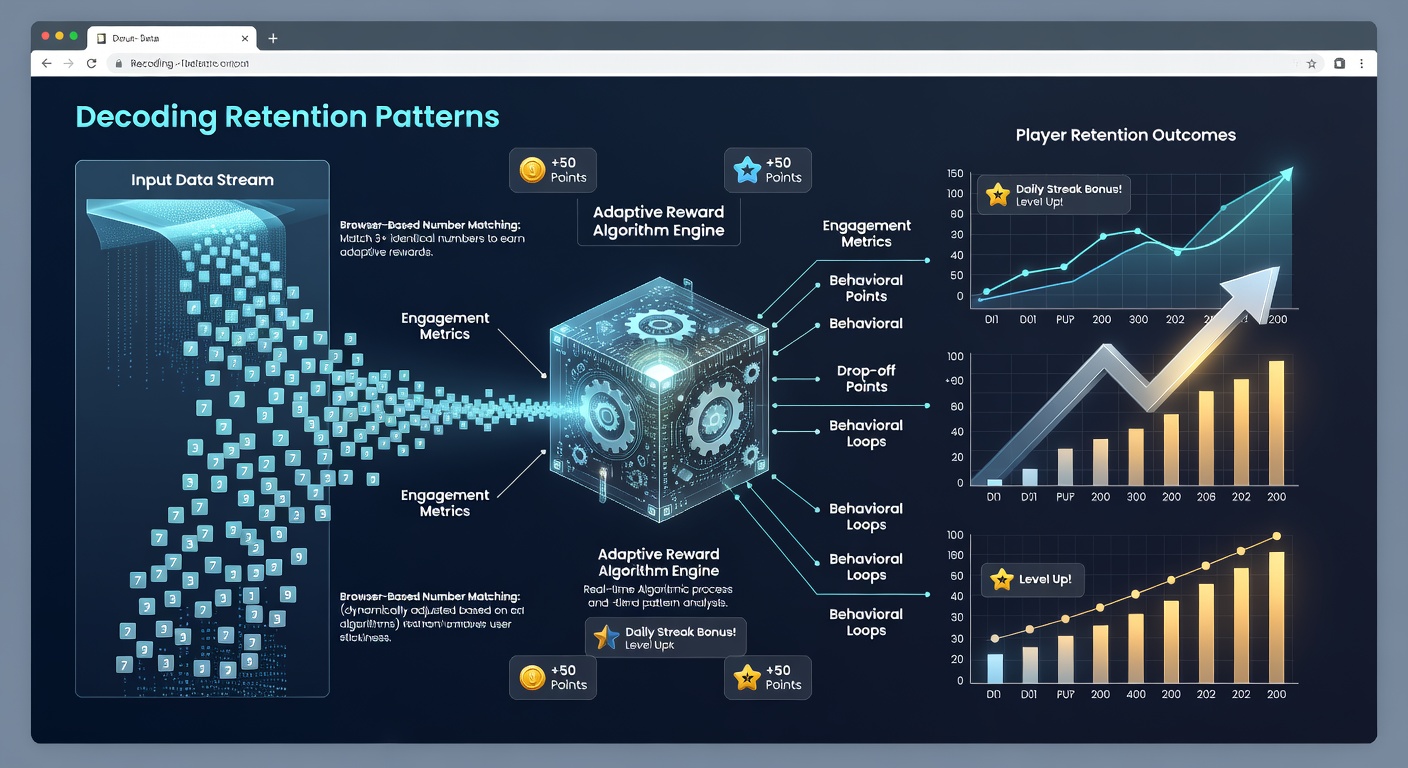
Decoding Player Retention Patterns Through Adaptive Reward Algorithms in Browser-Based Number Matching Platforms
Browser-based number matching platforms have expanded rapidly since 2024, with user bases growing through accessible gameplay that requires no downloads. Researchers at academic institutions track retention by measuring return visits, session duration, and progression rates across thousands of accounts. Data collected through 2025 shows that platforms employing adaptive reward systems achieve higher repeat engagement compared to static models, where rewards remain fixed regardless of individual behavior.
Understanding Retention Metrics in Number Matching Environments
Retention patterns emerge from variables such as login frequency, level completion speed, and interaction with reward prompts. Analysts compile these figures from server logs and anonymized user data, revealing that many players disengage after the first week unless systems adjust incentives dynamically. Studies conducted at multiple universities indicate that early reward calibration correlates with extended play periods, as algorithms respond to signals like drop-off points or reduced session length.
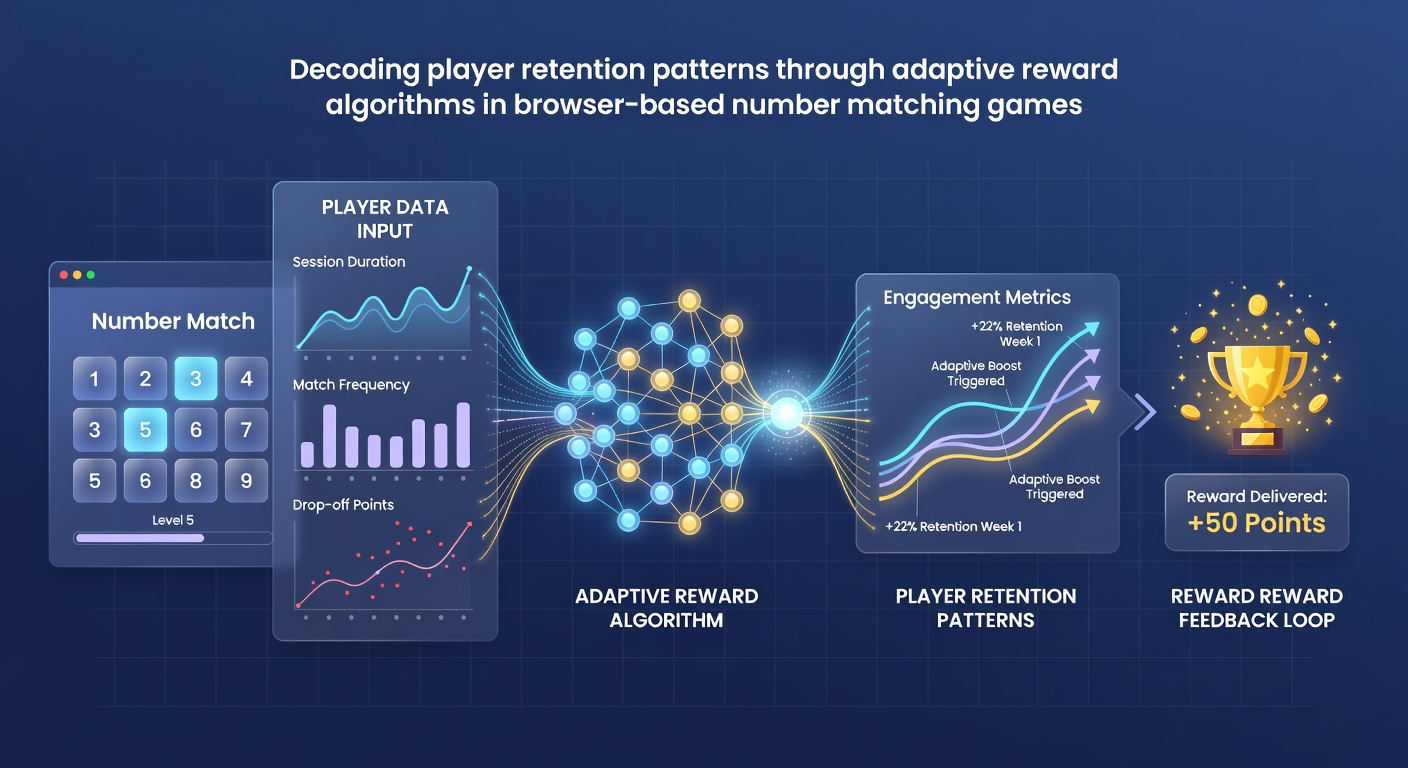
Platforms collect real-time inputs including click patterns and time spent on specific number sequences. These inputs feed into machine learning models that predict churn risk and modify reward delivery accordingly. Observers note that June 2026 reports from industry monitoring groups highlighted a 12 percent lift in 30-day retention for sites that implemented version-three adaptive engines, compared with earlier fixed-reward iterations.
How Adaptive Algorithms Process Player Data
Adaptive reward algorithms operate through layered decision trees that evaluate player history against population benchmarks. When a user completes sequences faster than average, the system may introduce tiered bonuses scaled to maintain challenge without frustration. Slower players receive incremental incentives designed to bridge skill gaps, such as temporary multipliers or extended time windows. This calibration occurs continuously, drawing on aggregated datasets rather than isolated sessions.
Engineers refine these models using A/B testing frameworks that compare control groups against algorithm-adjusted cohorts. Results from controlled trials show measurable differences in return rates within 48 hours of reward changes. The approach avoids one-size-fits-all structures, instead prioritizing individualized pacing that aligns with observed behavioral clusters.
Evidence from Recent Platform Deployments
Multiple operators released updated algorithm versions in early 2026, incorporating feedback loops that incorporate regional playtime variations. Figures released by the Canadian Centre for Gaming Research demonstrate that North American platforms using these updates recorded steadier weekly active user counts through spring 2026. Similar patterns appear in Australian market analyses, where local regulators require transparency reports on engagement mechanics.
One deployment case involved a mid-sized platform that shifted from periodic fixed bonuses to continuous adaptation. Within three months, the site documented a reduction in single-session dropouts by nearly 18 percent, according to internal metrics shared with academic partners. These outcomes align with broader findings from the International Gaming Institute at UNLV, which tracks algorithm impacts across digital entertainment formats.
Challenges in Algorithm Transparency and Compliance
Regulatory bodies in several jurisdictions now request documentation on how reward adjustments influence player decisions. Compliance teams must demonstrate that adaptive systems do not create unintended escalation in play intensity. Documentation submitted for review includes model parameters, data sampling methods, and audit trails that verify fairness across demographic segments.
Technical constraints also surface when scaling algorithms to handle peak traffic periods. Latency in reward updates can disrupt the intended personalization effect, prompting developers to maintain fallback static tiers. Industry associations such as the European Interactive Digital Entertainment Association publish guidelines that encourage periodic third-party reviews of these systems.
Future Directions for Retention Research
Emerging work focuses on integrating cross-platform signals, such as device type and time-of-day preferences, into reward models. Pilot programs scheduled for late 2026 aim to test multi-variable adaptation that responds to both individual history and cohort trends simultaneously. Preliminary simulations suggest these expansions could further stabilize retention curves across browser environments.
Collaboration between data scientists and platform operators continues to refine evaluation criteria. Metrics now extend beyond raw return rates to include qualitative indicators such as progression satisfaction scores collected through optional in-game prompts. This expanded scope provides additional inputs for algorithm refinement without relying solely on behavioral telemetry.
Conclusion
Adaptive reward algorithms represent a core mechanism for sustaining engagement in browser-based number matching platforms. Retention data compiled through 2026 illustrates consistent associations between dynamic incentive structures and prolonged user activity. Ongoing research and regulatory oversight shape how these systems evolve, with emphasis on measurable outcomes and transparent processes. Platforms that continue to refine their approaches based on empirical patterns maintain competitive positions within the sector.