Bingo Operators Form Partnerships With Accessibility Technology Firms to Roll Out Gesture-Based Controls in Global Tournament Circuits
Written by Ulrich Simmons · Jun 15, 2026
Bingo Operators Form Partnerships With Accessibility Technology Firms to Roll Out Gesture-Based Controls in Global Tournament Circuits
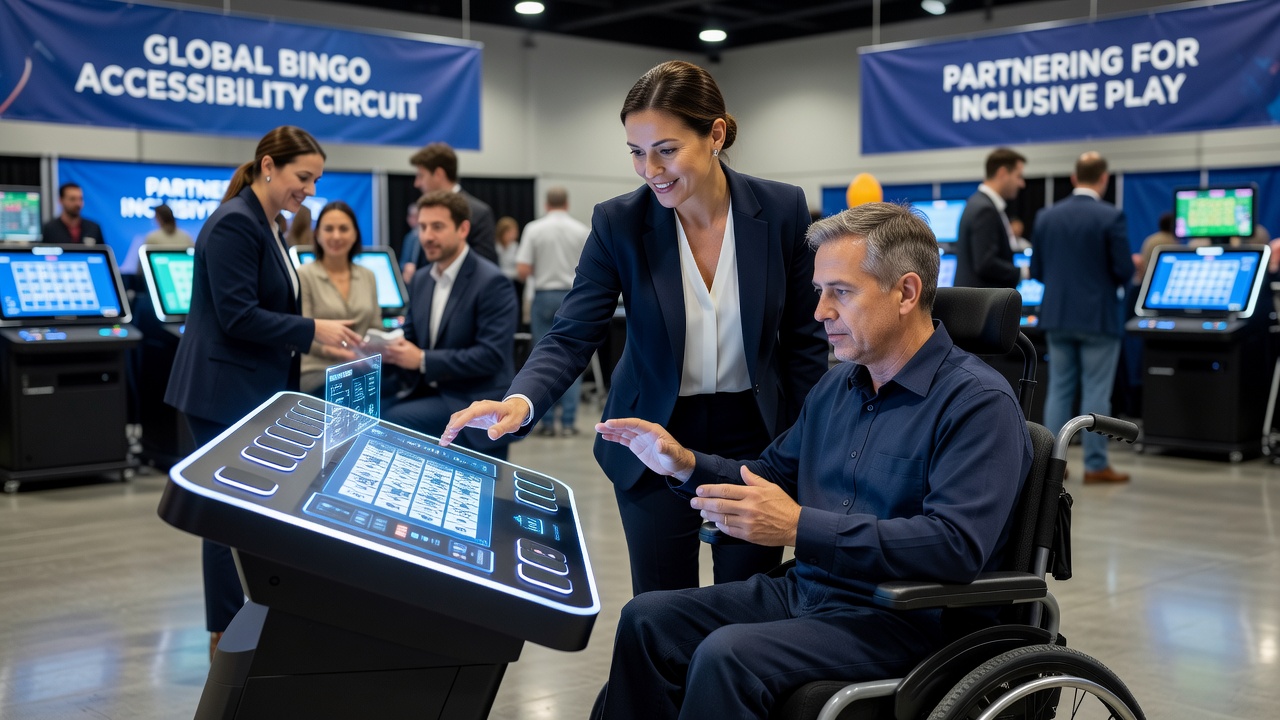
Multiple bingo operators have entered formal agreements with specialized accessibility technology companies to develop and deploy gesture-based control systems across international tournament circuits, and these collaborations focus on enabling players with motor impairments to participate fully in competitive number-draw events without relying on traditional physical interfaces such as touchscreens or keyboards. Data from industry tracking services indicate that the first large-scale pilot programs began rolling out in early 2025, with expanded deployments scheduled for major circuits during June 2026.
Partnership Structures and Technology Integration
Leading operators in North America, Europe, and Asia-Pacific regions have contracted firms that specialize in motion-tracking sensors and adaptive input software, while the resulting systems translate subtle hand, head, or eye movements into precise game commands that include number selection, card management, and chat functions. Research reports compiled by the International Association of Accessibility Professionals show that gesture recognition accuracy in controlled gaming environments has reached 94 percent in recent trials, and this performance level supports real-time tournament play without introducing latency that could disadvantage participants.
Engineers integrate these controls through modular hardware units that attach to existing tournament terminals or run via dedicated mobile applications, and software platforms receive regular calibration updates to accommodate individual movement patterns. Observers note that calibration sessions typically require 15 to 20 minutes per player during registration periods, after which the system maintains personalized profiles across multiple events in a circuit.
Implementation Across Tournament Circuits
Global circuits have begun incorporating accessibility stations at venue locations, and event organizers coordinate with local regulatory bodies to ensure compliance with regional digital accessibility standards. In June 2026 several flagship tournaments in Canada and Australia will feature dedicated gesture-control lanes alongside standard play areas, allowing direct comparison of participation rates and match durations between user groups. Figures released by the Canadian Radio-television and Telecommunications Commission highlight that accessible gaming provisions now appear in over 60 percent of licensed digital recreation platforms operating within provincial jurisdictions.
Case examples from circuit operators demonstrate that training programs for venue staff include modules on assisting players with initial setup and troubleshooting sensor alignment, and these sessions run in parallel with standard dealer and moderator briefings. Tournament software dashboards display real-time status indicators for gesture-enabled stations, which helps officials monitor system performance during high-volume rounds.
Global Reach and Regulatory Alignment
Partnership announcements have extended to circuits in South America and the Middle East, where local operators adapt the core gesture framework to accommodate regional tournament formats and language requirements. A study conducted by the University of Melbourne's Digital Inclusion Research Group found that gesture-based interfaces reduced average task completion times for motor-impaired users by 47 percent compared with earlier switch-access solutions, and this improvement translated directly into higher completion rates during timed tournament segments.
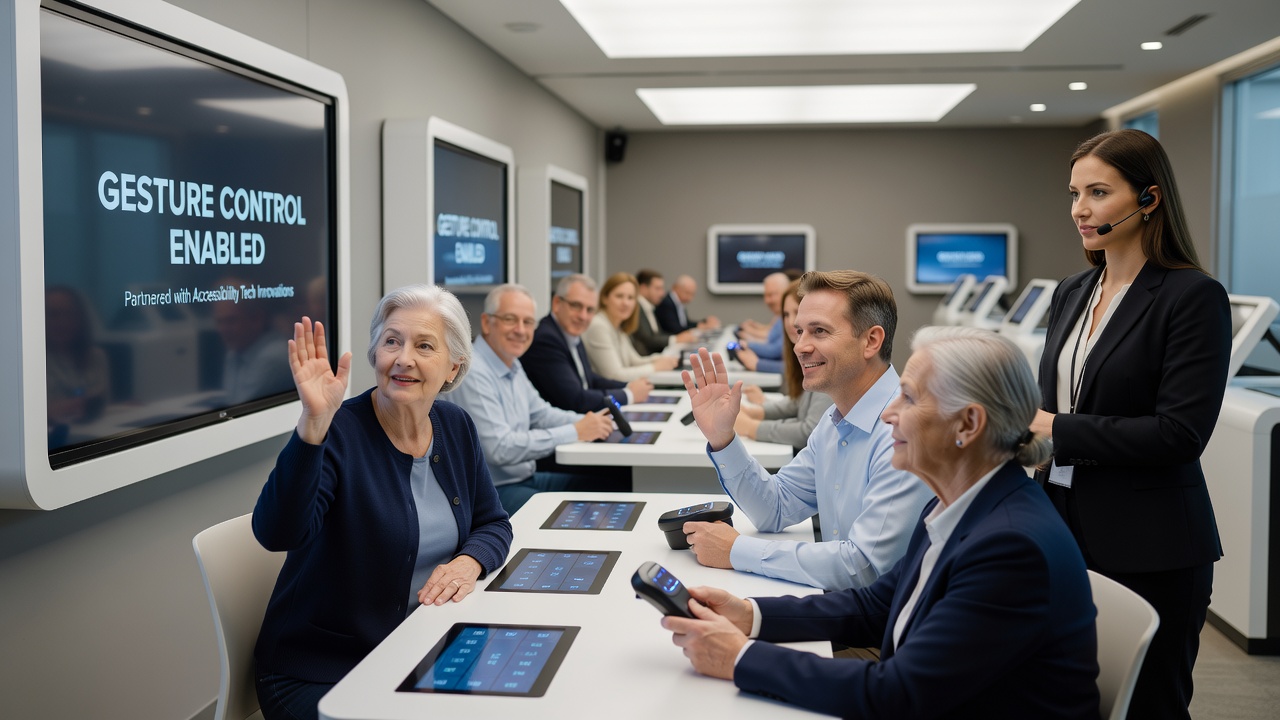
Regulatory frameworks in multiple jurisdictions now reference gesture-control accessibility as an emerging benchmark, and operators must submit compliance documentation that details sensor specifications and user testing protocols. Industry associations coordinate cross-border working groups that share calibration datasets while maintaining player privacy protections under applicable data regulations.
Player Support and Training Programs
Support services attached to the new systems include remote calibration assistance and on-site technical teams during major events, and these resources allow players to adjust sensitivity settings between rounds without leaving their stations. Tournament organizers publish advance documentation that outlines compatible movement profiles and expected response ranges, which helps prospective participants determine suitability ahead of registration deadlines.
Community outreach initiatives run by operator consortia provide demonstration sessions at regional disability resource centers, and feedback collected during these sessions feeds directly into iterative software updates. Data compiled across pilot events shows consistent increases in repeat participation among users who completed at least one full tournament using gesture controls.
Conclusion
Partnerships between bingo operators and accessibility technology providers continue to expand the technical foundation for inclusive tournament participation, and ongoing deployments through 2026 will supply additional performance metrics across diverse geographic circuits. These developments align with broader industry efforts to standardize adaptive input methods while maintaining competitive integrity for all participants.