Bingo Game App Development Sees Growing Demand With Costs Ranging From Eight Thousand to One Hundred Fifty Thousand Dollars
Written by Ulrich Simmons · Jun 5, 2026
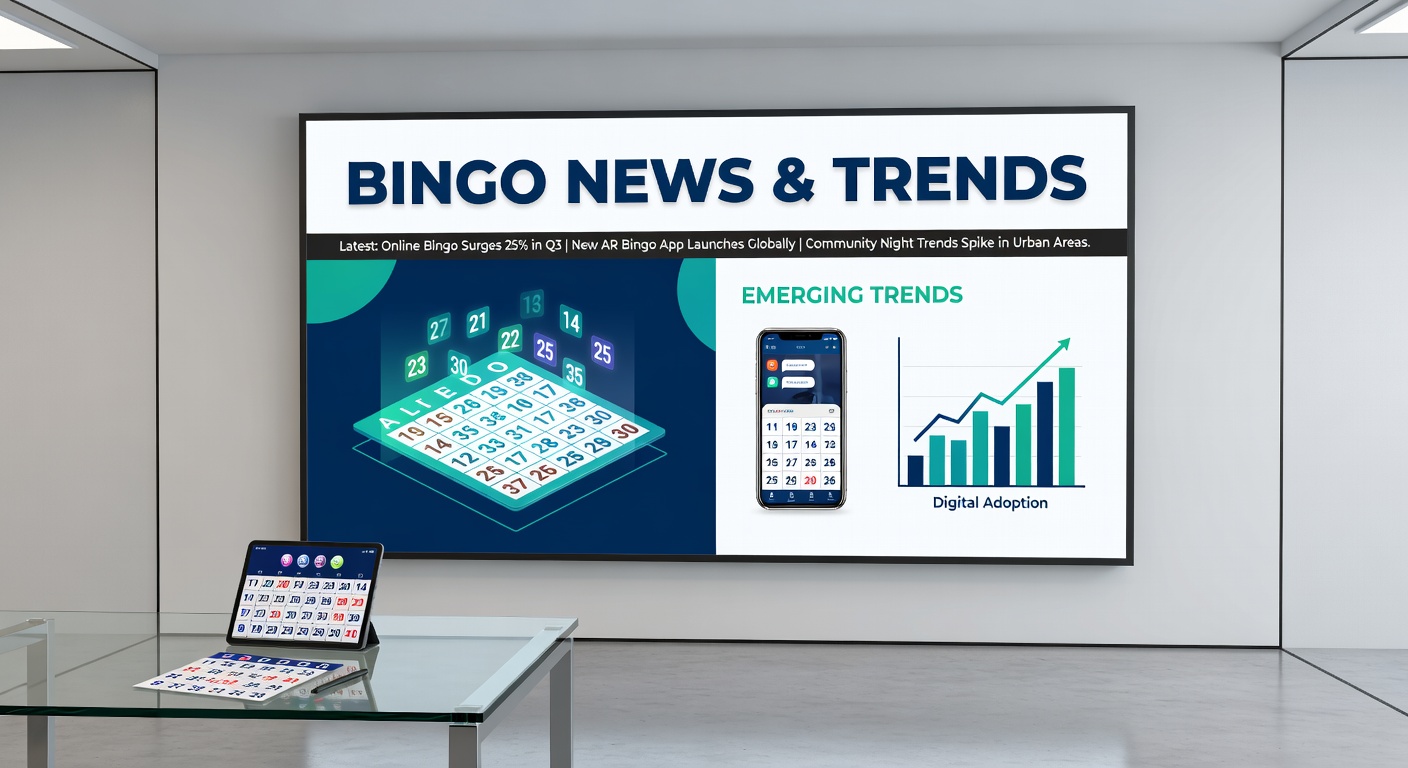
Bingo Game App Development Sees Growing Demand With Costs Ranging From Eight Thousand to One Hundred Fifty Thousand Dollars
Developers and companies have reported increased inquiries into bingo game app creation throughout 2026, driven by expanding digital entertainment options and shifting player preferences toward mobile platforms, while industry observers note particular activity around June when seasonal trends often boost planning cycles for new releases. According to detailed cost analyses from software development firms, expenses for these projects typically fall between eight thousand and one hundred fifty thousand dollars based on variables such as overall complexity, included features, chosen platforms, and the geographic location of the development team.
Key Cost Factors in Bingo App Projects
Basic versions with limited functionality tend to land at the lower end of that spectrum, often around eight thousand dollars when built for a single platform with straightforward mechanics, whereas projects incorporating advanced elements push toward the upper limit of one hundred fifty thousand dollars because they require more extensive coding, testing, and integration work. Observers note that platform choice plays a major role here, since developing simultaneously for iOS and Android demands additional resources compared to targeting one operating system alone, and teams in regions with lower labor costs frequently deliver comparable results at reduced rates without sacrificing core quality.
Multiplayer Features and Graphics Impact Expenses
Multiplayer modes represent one of the most significant drivers of higher costs because they necessitate real-time servers, user authentication systems, and anti-cheat measures that add layers of technical complexity, while high-quality graphics and animations further elevate budgets since they involve specialized artists and longer production timelines. Research indicates these elements can easily double or triple initial estimates when clients request custom designs or smooth cross-device performance, yet developers have identified modular approaches that allow phased implementation to manage spending more effectively.
Monetization Options and Expense Reduction Strategies
Monetization features such as in-app purchases, advertisements, and subscription models also factor into overall pricing because they require secure payment gateways and analytics tracking that integrate directly with the game's backend, and those who've studied this process find that early planning around revenue streams helps avoid costly retrofits later on. Tips for lowering expenses include starting with minimum viable products that test core bingo mechanics before expanding, selecting open-source tools where appropriate, and outsourcing non-core components like sound design to specialized freelancers, which data shows can trim budgets by fifteen to thirty percent in many cases.

Market growth potential adds another layer to these decisions because Lottery & Bingo market outlook statistics project steady increases in global participation through digital channels, encouraging more studios to enter the space even as they weigh development investments carefully against projected returns. Figures reveal that regions with rising smartphone penetration see faster adoption rates for such apps, prompting developers to factor localization and regional compliance requirements into their cost models from the outset.
Platform and Location Considerations Shape Project Scope
Those who've examined recent projects highlight how developer location influences not only pricing but also communication efficiency and time zone alignment, with offshore teams sometimes offering substantial savings while domestic options provide closer oversight during iterative testing phases. Platform decisions extend beyond mobile to include web-based versions that require separate optimization, and combining these expands the scope considerably, although hybrid frameworks have emerged as practical solutions that balance functionality with budget constraints in documented case examples.
Conclusion
Overall the landscape for bingo game app development reflects a balance between technical ambition and financial planning, with costs calibrated according to specific feature sets and market targeting strategies that continue to evolve alongside broader industry expansion. Data from multiple sources underscores the value of thorough scoping early in the process to align expectations with available resources, while ongoing advancements in development tools promise gradual efficiencies for future undertakings in this segment.